

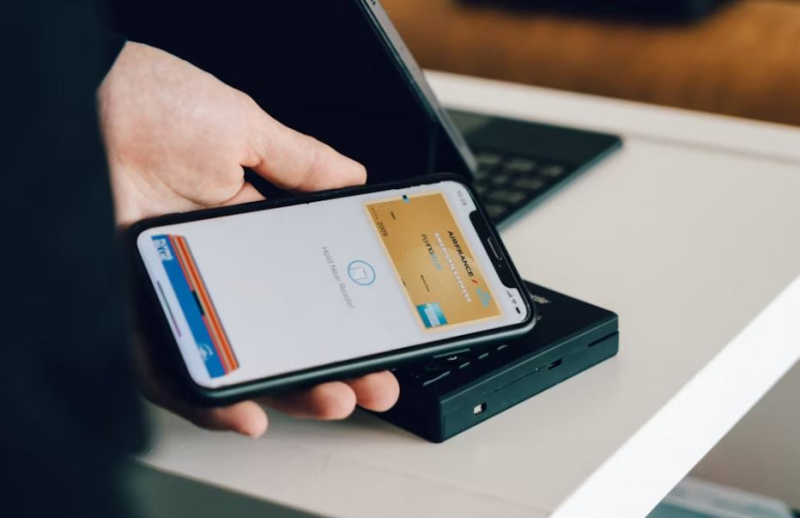
The way we pay at stores has changed a lot over the last few decades. What used to be a simple cash transaction now involves cards, phones, and digital wallets. For a growing business, keeping up isn't just about making things easy; it's about staying relevant and growing. If your payment system feels old-fashioned, you might be losing sales and frustrating customers without even realizing it.
This shift means businesses need to do more than just accept credit cards. It calls for better technology behind every sale. From security to speed, the right payment system can make or break the customer experience and give you valuable information to run your business better.
From Cash Registers to Contactless
Remember the classic 'ka-ching' of an old mechanical cash register? For decades, that was the sound of buying and selling. These machines eventually gave way to electronic cash registers, and then to terminals that could read magnetic stripes on credit cards. That was a big step forward, but it was only the beginning.
When EMV chip cards came out, security improved because they made card data much harder to copy. Now, we're firmly in the age of contactless payments. Customers can just tap their card or phone to pay, a change that's become popular because it's fast and touch-free. This quick progress shows that payment technology never stops evolving. What seems modern today could be standard tomorrow.
Why Your Old Payment System Is Holding You Back
If you're still using a basic credit card terminal and a separate cash register, you're probably making things harder for customers and staff. An old system can lead to longer lines, increasing the chance a potential customer will just leave. It also gives you very little data about how your business is actually doing. You're left guessing about your best-selling products, busiest times, and who your loyal customers are.
Upgrading to an all-in-one POS device changes everything. It's more than just a way to take money; it becomes the central hub of your business. These systems can track inventory in real time, manage employee hours, build customer profiles, and create detailed sales reports. By automating these tasks, you free up valuable time to focus on what truly matters: growing your business and connecting with your customers.
Embracing Modern Payment Methods
Today's customers expect choices. Limiting them to just cash or traditional card swipes can feel outdated and inconvenient. To meet modern expectations, your business should be ready to handle a variety of payment types that prioritize speed and security.
You should support key methods like:
Contactless Cards: Most credit and debit cards now have "tap-to-pay." This is the new standard for quick, in-person transactions.
Mobile Wallets: Services like Apple Pay, Google Pay, and Samsung Pay let customers pay with their smartphones or smartwatches. This is very secure because it uses tokenization to protect the actual card numbers.
QR Codes: Becoming more common in many places, QR code payments let customers scan a code with their phone to finish a purchase, often linking directly to a digital wallet or payment app.
Supporting these methods shows customers you value their time and security, making checkout smoother and more professional.
Choosing the Right Infrastructure for Your Business
Upgrading your payment system might feel like a big decision, but choosing the right one is straightforward if you know what to look for. Don't focus only on the initial cost; consider the long-term value it will bring to your operations.
Before you decide, ask yourself a few key questions:
What payment types do my customers use? Make sure the system accepts everything from chip cards and contactless payments to mobile wallets.
Does it connect with other tools? Look for a system that can link up with your accounting software, email marketing platform, or e-commerce store.
Is it flexible enough to grow with me? Choose a system that can expand as you do, whether that means adding more locations, employees, or sales channels.
How strong is the security? Make sure the provider follows industry security standards to protect your business and your customers' data.
Answering these questions will help you find a payment solution that meets your current needs and supports your future goals. The future of payments is moving toward even greater integration and personalization, so a flexible system is crucial. As digital payment technology evolves, new possibilities keep emerging, and the right foundation will help you adapt easily.
Investing in your payment system is an investment in your customer experience. By making transactions fast, easy, and secure, you build trust and loyalty that pays off long after the sale is complete.