
In the modern digital advertising landscape, gaining immediate visibility in front of your target audience is critical for business success. Organic search engine optimization requires months of consistent effort to generate traffic. When businesses need instant results, highly targeted traffic, and measurable returns on investment, this is exactly where PPC marketing shines as a primary strategy.
Whether you are launching a brand new product, promoting a specialized service, or looking to drive rapid traffic to a specific landing page, PPC marketing provides a direct and reliable pathway to your ideal customers. As a foundational pillar of any comprehensive digital strategy, understanding how PPC marketing works is absolutely essential for every modern digital marketer, business owner, and entrepreneur.
In this comprehensive guide, we will break down the mechanics of paid advertising, explore the major platforms, and provide you with a clear roadmap to launch your very first successful paid campaign.
What Exactly Is PPC Marketing?
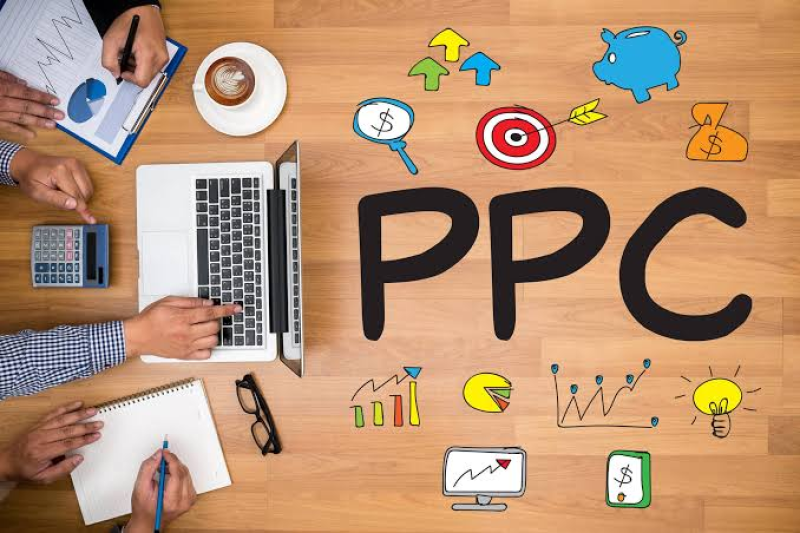
So, what exactly is PPC marketing? PPC stands for Pay-Per-Click. In a PPC marketing model, advertisers do not pay for the space their ad occupies; instead, they pay a specific fee only when a user actually clicks on one of their ads. Essentially, you are buying highly targeted visits to your website rather than attempting to earn those visits organically over time.
Search engine advertising is the most common and recognizable form of paid search. It allows advertisers to bid for ad placement in a search engine's sponsored links. When a user searches for a keyword related to a specific business offering, the search engine displays the relevant ads at the very top of the results page.
When executed correctly, PPC marketing is highly profitable because the website visit is fundamentally worth more than what you pay for the click. For example, if you pay $3 for a click that results in a $300 product sale, the return on investment makes PPC marketing an incredibly lucrative avenue for business growth.
Want to see how paid ads fit into the broader digital marketing ecosystem? Check out our comprehensive: The Ultimate Guide to Paid Advertising Strategies.
The Ad Auction: How Does PPC Marketing Actually Function?
A common misconception among beginners is that you can simply pay a flat fee to secure the top spot on Google. How does PPC marketing actually function behind the scenes? The system relies on a highly complex, automated ad auction that occurs in milliseconds.
Every single time a search is initiated on a search engine, an auction takes place for the available ad space. To succeed in PPC marketing, you must first select and bid on specific keywords that are relevant to your business. However, winning a PPC marketing auction requires much more than just having the highest monetary bid.
Search engines want to keep users happy by showing them relevant, helpful ads. Therefore, platforms like Google use a metric called "Ad Rank" to determine ad placement. Ad Rank is calculated by combining your maximum bid amount with your ad's Quality Score. Quality Score measures the relevance of your keywords, the quality of your ad text, and the user experience of your landing page.
This means a highly relevant ad with a lower bid can easily beat a high-spending advertiser with poor relevance. This system keeps the PPC marketing environment fair and strictly focused on delivering a great user experience.
The Major Platforms: Where Does PPC Marketing Happen?
When people think of paid search, they immediately think of Google. While Google Ads is undeniably the dominant force in the industry, the ecosystem is vast. Where does PPC marketing happen across the internet?
1. Google Ads
Google Ads operates on two primary networks. The Search Network places your text ads in front of users actively searching for specific queries. The Display Network places visual banner ads on millions of partner websites across the globe. Google is the ultimate platform for capturing "high-intent" users who are ready to make a purchase.
2. Social Media Platforms
However, PPC marketing extends far beyond search engines. Social media networks have developed incredibly robust PPC marketing environments. Facebook Ads, Instagram Ads, and LinkedIn Ads all operate on a pay-per-click or pay-per-impression model.
While search ads target users based on what they are actively searching for, social media ads target users based on who they are. You can target audiences based on demographics, interests, job titles, and life events, making social PPC marketing incredibly powerful for brand awareness and discovery.
3. Microsoft Advertising (Bing Ads)
Though it has a smaller market share than Google, Microsoft Advertising often features lower competition and a cheaper cost-per-click. It is a highly valuable platform for businesses looking to maximize their reach across all available search engines.
Ready to start building your first account? Read our practical step-by-step guide: How to Set Up Your First Google Ads Campaign.
The Core Benefits: Why Should You Invest in Paid Search?
Why should businesses invest their hard-earned budgets into PPC marketing? The advantages are numerous and distinct from organic marketing efforts.
First, it offers immediate and predictable results. While SEO can take several months to gain traction and show a return, a well-optimized PPC marketing campaign can generate targeted traffic within hours of going live.
Second, PPC marketing provides hyper-targeted audience reach. You have absolute control over who sees your ads. You can target users by specific geographic locations, device types, languages, and even the specific times of the day they are active online.
Third, the highly measurable nature of PPC marketing means you never have to guess about your performance. Every single impression, click, and conversion is tracked in real-time. You can calculate your exact return on ad spend (ROAS) down to the penny, allowing you to scale profitable campaigns and pause underperforming ones instantly.
The Language of Paid Ads: Crucial Terminology
To master PPC marketing, you need to learn the specific language and metrics used by industry professionals. Understanding these key terms will allow you to navigate ad platforms with confidence.
CPC (Cost Per Click): The actual price you pay each time a user clicks your ad.
CTR (Click-Through Rate): The percentage of users who saw your ad and actually clicked on it. A high CTR signals to search engines that your ads are highly relevant to the user's search query.
Quality Score: A rating from 1 to 10 that Google assigns to your keywords. Maintaining a high Quality Score in your PPC marketing account lowers your costs and improves your ad positioning.
Conversion Rate: This is another critical metric in PPC marketing, measuring the percentage of ad clickers who go on to complete a desired action on your website, such as filling out a form or making a purchase.
Ad Extensions: Additional pieces of information (like phone numbers, site links, or callouts) that expand your ad's size and visibility on the results page.
Organic vs. Paid: How Do They Work Together?
A frequent question from beginners is how PPC marketing compares to SEO, and which one they should choose. The truth is that they are two sides of the exact same digital marketing coin.
While SEO focuses on earning free organic traffic through content creation and technical optimization over a long period, PPC marketing buys immediate visibility and data. The most successful digital marketing strategies do not choose between the two; they integrate both.
You can use the immediate data generated from your PPC marketing campaigns to discover exactly which keywords convert the highest. You can then take those proven, high-converting keywords and target them in your long-term SEO content strategy.
Building a Strategy: Launching Your First Campaign
Launching a highly successful PPC marketing campaign requires a methodical, strategic approach. You cannot simply write a generic ad, throw money at the platform, and expect a positive return.
Step one involves defining clear, measurable business goals. Are you looking for product sales, newsletter sign-ups, or inbound phone calls? Step two requires rigorous keyword research to find the exact phrasing your audience uses.
Step three of your PPC marketing setup is writing compelling, benefit-driven ad copy that demands attention and encourages the user to click. Finally, you must direct that ad traffic to a highly relevant, optimized landing page. If your ad promises a discount on running shoes, the landing page must immediately deliver that exact offer. A poorly designed landing page will severely damage even the best PPC marketing campaign.
The ultimate secret to long-term PPC marketing profitability is continuous optimization. You must regularly review your search term reports, adjust your bids, test new ad copy, and add negative keywords to prevent wasted spend.
Your Next Steps: From Theory to Execution
Building a successful digital marketing career or scaling an online business requires deep, practical knowledge of PPC marketing. While reading articles gives you a solid theoretical foundation, the platforms are incredibly intricate. Small mistakes in account setup or bidding strategies can result in wasted budgets and poor performance.
If you are serious about driving revenue and mastering the technical intricacies of PPC marketing, you need structured, expert-led guidance that bridges the gap between basic understanding and professional execution.
Take Action Today: Are you ready to build campaigns that convert clicks into loyal customers? Discover comprehensive, step-by-step training designed to take you from a complete beginner to a confident paid ads specialist.
Explore Mindluster’s Free SEO and Digital Marketing Courses Here and start mastering PPC marketing today.