

Online education has grown rapidly in recent years, making it easier for learners to access courses from anywhere in the world. Platforms offering digital courses, certifications, and tutorials continue to expand, helping students develop skills in business, marketing, programming, and more. However, with this growth comes the need for secure, flexible communication tools that support global access.
One of the key challenges in this field is account verification, communication, and accessibility across different regions. Many platforms require phone number verification, especially during registration or login processes. This is where modern technologies such as eSIM and virtual phone numbers become increasingly useful. They provide flexible and scalable solutions for students and educators alike.
In this context, tools like eSIM Plus SMS online service offer a practical way to receive verification codes and manage communication without relying on a physical SIM card. Such options are particularly valuable for learners who enroll in multiple platforms or need temporary access without sharing their personal phone number.
Understanding eSIM Technology in Online Education
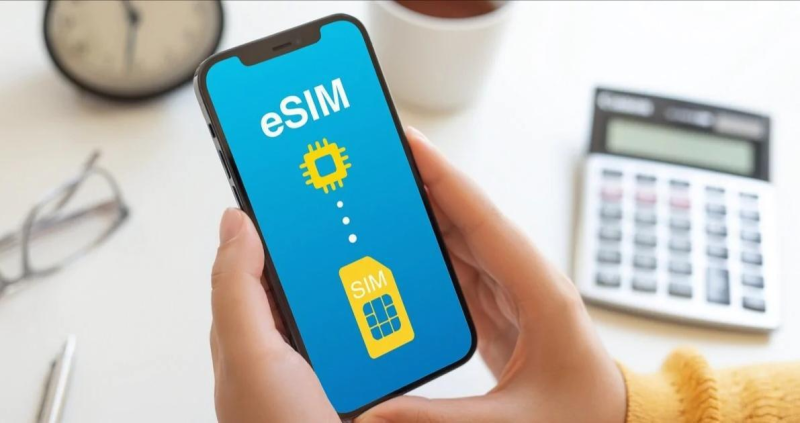
eSIM, or embedded SIM, is a digital alternative to traditional SIM cards. Instead of inserting a physical card into a device, users can activate a mobile network plan digitally. This technology is especially beneficial for students who frequently switch between networks or travel across countries.
In such environments, eSIM helps users stay connected without interruptions. For example, a student enrolled in international courses can easily switch between carriers to access affordable data plans. This ensures uninterrupted participation in live classes, downloading materials, and communicating with instructors.
Additionally, eSIM supports multiple profiles on a single device. This means learners can manage separate numbers for different purposes, such as personal use, educational platforms, or freelance work.
What Are Virtual Phone Numbers?
Virtual phone numbers are numbers that are not tied to a physical SIM card or specific device. They operate through cloud-based systems and can be accessed from anywhere using the internet. These numbers are widely used for receiving SMS messages, including verification codes.
For course websites, virtual numbers play an important role in user registration and authentication. Many platforms require SMS verification to prevent spam and ensure account security. Instead of using a personal number, learners can use a virtual number to complete registration.
Temporary numbers are a specific type of virtual number designed for short-term use. They are ideal for one-time verifications or temporary registrations, reducing the risk of exposing personal data.
Why Online Course Users Need Temporary Numbers
Online learners often sign up for multiple platforms to access diverse courses. Each registration typically requires phone number verification. Using a personal number repeatedly can lead to privacy concerns, spam messages, or even account linking issues.
Temporary numbers solve this problem by offering disposable access. Once the verification is complete, they can be discarded. This approach provides several advantages:
Privacy protection: Personal phone numbers remain secure
Reduced spam: No unwanted promotional messages
Flexibility: Easy access to multiple platforms
Global usability: Works across different countries
For students exploring free or trial-based courses, temporary numbers are particularly useful. They allow users to test different services without committing personal information.
Benefits of eSIM and Virtual Numbers for Online Learning
Combining eSIM technology with virtual phone numbers creates a powerful solution for digital learners. Together, they address many of the challenges associated with online education.
1. Global Accessibility
This form of learning is not limited by geography. Students from different countries can enroll in the same course. eSIM allows seamless connectivity across regions, while virtual numbers enable easy account verification regardless of location.
2. Enhanced Security
Security is a major concern for online platforms. Virtual numbers provide an additional layer of protection by keeping personal information private. Temporary numbers further enhance this by limiting exposure to short-term use.
3. Cost Efficiency
Using eSIM can reduce roaming costs and allow users to choose affordable data plans. Virtual numbers eliminate the need for multiple physical SIM cards, making them a cost-effective solution for learners.
4. Convenience and Flexibility
Managing multiple accounts becomes easier with virtual numbers. Students can organize their registrations without confusion. eSIM adds convenience by enabling quick network changes without hardware adjustments.
Use Cases in Online Course Platforms
The integration of eSIM and virtual numbers is becoming more common across learning services. Here are some practical use cases:
Account Registration
Most platforms require phone verification during signup. Virtual numbers provide a simple way to receive SMS codes without sharing personal details.
Multi-Platform Learning
Students often enroll in courses from different providers. Temporary numbers help manage multiple accounts without overlap or confusion.
International Students
Learners studying abroad or accessing global platforms benefit from eSIM’s flexibility. They can stay connected without purchasing local SIM cards.
Freelancers and Educators
Online instructors and freelancers who use learning platforms can maintain separate communication channels using virtual numbers, improving professionalism and organization.
Challenges and Considerations
While eSIM and virtual numbers offer many benefits, there are some considerations to keep in mind.
Platform restrictions: Some websites may block certain virtual numbers
Limited duration: Temporary numbers may expire quickly
Service reliability: Choosing a reliable provider is important
Despite these challenges, the advantages often outweigh the limitations, especially for users who prioritize privacy and flexibility.
Future Trends in Online Learning Communication
As online education continues to evolve, the demand for secure and flexible communication tools will increase. Technologies like eSIM and virtual numbers are expected to play a larger role in shaping digital learning environments.
We may see more platforms integrating them directly into their systems, allowing users to verify accounts and communicate without relying on traditional phone numbers. This could lead to a more seamless and user-friendly experience.
Additionally, the concept of temporary numbers may expand, offering more advanced features such as automated verification and enhanced security protocols.
Conclusion
The growth of online education has created new challenges in communication, security, and accessibility. eSIM and virtual phone numbers provide effective solutions to these issues, enabling learners to access courses easily and securely.
By using temporary numbers, students can protect their privacy while managing multiple accounts across different platforms. At the same time, eSIM ensures reliable connectivity and flexibility in a global learning environment.
As digital education continues to expand, these technologies will become essential resources for both learners and educators. Understanding how to use them effectively can improve the overall online learning experience and make education more accessible to everyone.