
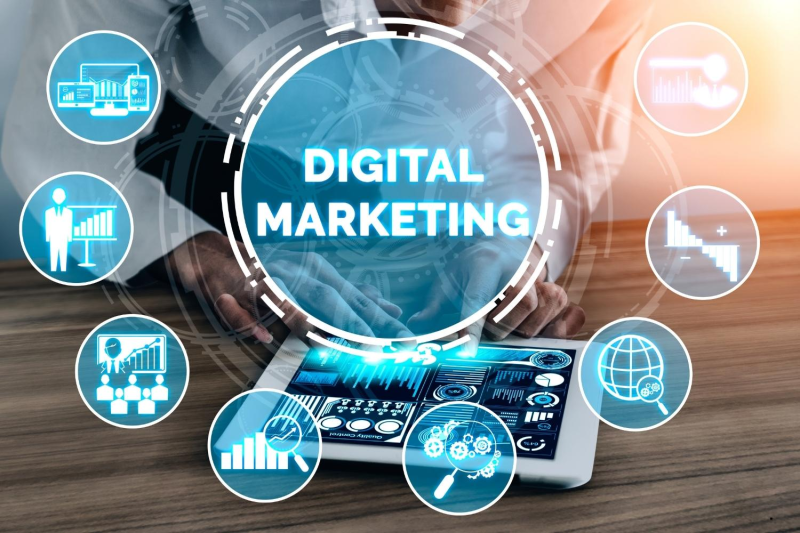
Everyone is asking “what is digital marketing” and why has it become essential for modern businesses? In today’s digital world, businesses are constantly looking for better ways to reach their audiences, build strong relationships, and grow online.
Understanding digital marketing is no longer limited to marketing professionals. Whether you are a business owner, a student, or someone looking to start a career in the digital field, learning how digital marketing works can help you understand how to get in the promising field.
In this complete guide, you will learn what digital marketing is, how it works, the main types of digital marketing, the skills and tools needed to succeed, and how beginners can start building their knowledge in this growing field.
What Is Digital Marketing?
Digital marketing is the process of promoting products, services, or brands through online channels to reach potential customers and achieve business goals.
Unlike traditional marketing methods that rely on offline channels like newspapers, billboards, and television, digital marketing helps businesses:
Reach the right audience based on interests, behavior, and search intent.
Track campaign performance through analytics tools.
Understand customer needs and improve marketing decisions.
Create more flexible strategies based on business goals.
Why Is Digital Marketing Important?
Digital marketing has become essential as more people rely on the internet to search for information, discover brands, compare products, and make purchasing decisions. For businesses, building a strong online presence is now a key factor in attracting and engaging customers,The main benefits of digital marketing include:
Targeted reach: Businesses can connect with specific audiences based on their interests, location, and online behavior.
Better measurement: Companies can track website traffic, engagement, conversions, and campaign performance.
Cost efficiency: Digital strategies allow businesses to manage budgets and optimize campaigns based on results.
Stronger customer relationships: Brands can build trust through valuable content, social media interactions, and personalized communication.
Data driven decisions: Analytics help businesses understand what works and improve their marketing strategies.
As digital platforms continue to evolve, digital marketing skills have become valuable for businesses, entrepreneurs, and professionals who want to stay competitive and grow in the modern digital landscape.
How Does Digital Marketing Work?
Digital marketing uses different online channels and strategies to connect businesses with their target audience at every stage of the customer journey.
1. Awareness
The first stage focuses on introducing a brand, product, or service to potential customers, businesses use SEO, social media, content marketing, and online ads to increase visibility and attract new audiences.
2. Consideration
After discovering a brand, customers usually search for more information before making a decision. Businesses use blogs, videos, guides, reviews, and email marketing to educate users and build trust.
3. Conversion
The conversion stage aims to encourage customers to take action, such as making a purchase, registering for a service, or contacting the business.
4. Retention
After gaining customers, businesses focus on keeping them engaged through emails, social media interactions, personalized offers, and valuable content to increase loyalty and repeat purchases.
Types of Digital Marketing
Digital marketing includes several types that help businesses reach the right audience online. Each type supports different marketing goals, and combining them often delivers better results.
1. Search Engine Optimization (SEO)
SEO improves a website's visibility in search engines to increase organic traffic. It focuses on optimizing content, targeting keywords, improving technical performance, and earning quality backlinks.
2. Content Marketing
Content marketing attracts and engages audiences by creating valuable content such as blogs, videos, posts, and articles that educate users and build trust.
3. Social Media Marketing
Social media marketing helps brands connect with their audience through platforms like Facebook, Instagram, LinkedIn, and TikTok by sharing content, increasing engagement, and promoting the business.
4. Email Marketing
Email marketing allows businesses to communicate directly with customers through newsletters, promotional campaigns, personalized offers, and automated emails that strengthen customer relationships.
5. Pay-Per-Click Advertising (PPC)
PPC is a paid advertising method where businesses pay only when users click their ads. It is widely used on platforms like Google Ads and Meta Ads to generate targeted traffic quickly.
6. Website Marketing
Website marketing focuses on turning a business website into a tool for attracting visitors and converting them into customers through quality content, simple navigation, and a strong user experience.
7. Affiliate Marketing
Affiliate marketing helps businesses increase sales by partnering with affiliates who promote products or services in exchange for a commission on successful referrals.
8. Video Marketing
Video marketing uses video content to educate audiences, showcase products, and improve engagement across platforms such as YouTube, TikTok, and Instagram.
9. Mobile Marketing
Mobile marketing targets users on smartphones and tablets through mobile friendly websites, apps, and advertisements to reach customers wherever they are.
10. SMS Marketing
SMS marketing delivers promotions, reminders, updates, and offers directly through text messages, making it a fast and effective communication channel.
Essential Digital Marketing Skills
As the digital landscape continues to evolve, marketers need to develop a diverse skill set to understand audiences, create valuable content, analyze performance, and improve marketing strategies. Here are some of the most important digital marketing skills:
Search Engine Optimization (SEO)
SEO is one of the most essential skills in digital marketing. It helps marketers improve website visibility, understand search behavior, and optimize content to attract organic traffic.
Learn SEO Complete SEO Course, SEO for Beginners Course.
Content Creation and Copywriting
Creating valuable content is a key part of digital marketing. Content creators and copywriters need to understand how to write engaging messages, and develop content that connects with target audiences.
You can now learn content creation with Digital content creation for beginners Course.
Data Analysis and Marketing Analytics
Digital marketers need to analyze data to understand campaign performance and customer behavior. Skills in using analytics tools help marketers measure traffic, engagement, conversions, and return on investment.
Marketing Analytics basics for beginners, Data Analysis Process Course
Social Media Management
Social media skills help marketers create strategies for different platforms, manage online presence, and develop content that increases audience engagement and brand awareness.
learn more about Social Media Management
Basic Technical Skills
While digital marketing does not always require advanced coding knowledge, understanding basic website concepts, tracking tools, and technical SEO can help marketers work more effectively with digital platforms.
Explore relevant Mindluster courses Digital Marketing Courses and learn what you are missing.
Tools Used in Digital Marketing
Digital marketing tools help marketers plan campaigns, analyze performance, manage content, and improve communication with customers, Some of the most commonly used digital marketing tools include:
Google Search Console
Google Search Console helps marketers monitor website performance in Google Search, identify technical issues, analyze search queries, and improve SEO strategies.
Keyword Research Tools
Keyword research tools help marketers discover search terms, understand audience interests, and optimize website content. These tools are essential for SEO and content marketing strategies.
Social Media Management Tools
Social media management platforms help businesses schedule posts, monitor engagement, and manage multiple social media accounts from one place.
Email Marketing Platforms
Email marketing tools allow businesses to create campaigns, manage subscriber lists, automate messages, and track email performance.
Customer Relationship Management (CRM) Tools
CRM tools help businesses manage customer information, track interactions, and improve communication throughout the customer journey.
Digital Marketing Career Opportunities
Digital marketing offers a wide range of career opportunities for beginners, professionals, and people looking to switch careers. Since the field combines creativity, technology, and data analysis, there are different roles that match various interests and skill sets.
Digital Marketing Specialist
A Digital Marketing Specialist manages online marketing activities across different channels, including SEO, social media, email marketing, and paid advertising. They help businesses develop strategies, execute campaigns, and analyze results to improve performance.
SEO Specialist
SEO Specialist focuses on improving website rankings in search engines. Their responsibilities include keyword research, content optimization, technical SEO improvements, and monitoring search performance to increase organic traffic.
Social Media Manager
A Social Media Manager develops content plans, manages social media platforms, interacts with audiences, and analyzes engagement metrics. Their role is to build strong online communities and improve brand visibility.
PPC Specialist
A PPC Specialist manages paid advertising campaigns on platforms such as Google Ads and social media networks. They focus on audience targeting, budget management, and optimizing campaigns to generate better results.
How to Start Learning Digital Marketing?
If you are a beginner, following a structured learning path can help you build the right foundation and develop practical digital marketing skills.
Learn the Basics of Digital Marketing: The first step is understanding how digital marketing works.
Develop Core Digital Marketing Skills: After learning the fundamentals, focus on building essential skills.
Practice Through Real ProjectsL: Practical experience is one of the most important parts of learning digital marketing.
Learn Digital Marketing Tools: Using industry tools helps beginners understand how professionals plan, execute, and measure campaigns.
Stay Updated With Industry Trends: Digital marketing is constantly changing as search engines, platforms, and customer behaviors evolve.
learn more about digital marketing
Social Media Marketing Guide: Learn practical strategies to grow your online presence
7 Effective Email Marketing Strategies: Master Your Outreach
Climb the Search Engine Ladder: SEO Basics for Beginners
FAQs
What are the 7 C's of digital marketing?
The 7 C's of digital marketing are Customer, Content, Context, Community, Convenience, Cohesion, and Conversion. Together, these principles help businesses create marketing strategies that improve engagement, build trust, and achieve better results.
Can small businesses benefit from digital marketing?
Yes. Digital marketing allows small businesses to reach their target audience without requiring large advertising budgets.
What is the difference between SEO and digital marketing?
SEO is one part of digital marketing. It focuses on improving a website's visibility in search engine results to increase organic traffic. Digital marketing is a broader field that also includes content marketing, social media marketing, email marketing, PPC advertising, affiliate marketing, and other online marketing strategies.