Hyperkalemia Causes and Treatment Course

 (164 reviews)
-
 79 Lessons
-
 7 Students
- Certificate of completion


Hyperkalemia Causes course, in this course we will comprehensively explore the various factors and conditions leading to hyperkalemia, a medical condition characterized by elevated levels of potassium in the blood. Students will delve into the pathophysiology underlying hyperkalemia, including impaired renal excretion, excessive potassium intake, and shifts of potassium from intracellular to extracellular compartments. Through case studies and clinical examples, participants will gain insights into the diverse range of etiologies, such as renal dysfunction, medications (e.g., ACE inhibitors, potassium-sparing diuretics), metabolic acidosis, tissue injury, and endocrine disorders (e.g., adrenal insufficiency). Additionally, the course will cover diagnostic approaches, treatment strategies, and preventive measures aimed at managing hyperkalemia and its underlying causes effectively. By the end of the course, students will possess a comprehensive understanding of hyperkalemia's multifactorial nature and its clinical implications.
 To Register in Course you have to watch at least 30 Second of any lesson
What You'll Learn
-
 Identify key causes and risk factors of hyperkalemia in clinical settings using case studies and patient history analysis
-
Explain the pathophysiology of hyperkalemia, including renal impairment, medication effects, and cellular shifts of potassium
-
Assess diagnostic tools and laboratory tests to accurately detect and evaluate hyperkalemia severity in patients
-
Develop effective treatment plans for hyperkalemia, incorporating medication management, dialysis, and emergency interventions
-
Implement preventive strategies to reduce hyperkalemia risk in patients with renal dysfunction or on potassium-sparing medications
-
Analyze the impact of endocrine disorders, such as adrenal insufficiency, on potassium regulation and hyperkalemia development
-
Evaluate the role of metabolic acidosis and tissue injury in contributing to elevated blood potassium levels
-
Apply clinical guidelines to manage hyperkalemia promptly, minimizing cardiac and neuromuscular complications
Course Content
79 Lessons • 5 h 44 m total

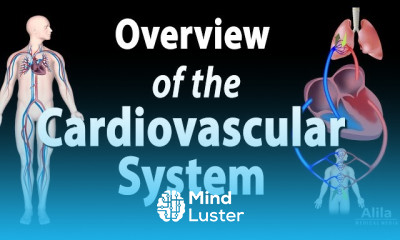
Cardiovascular System Overview Animation
CARDIOVASCULAR SYSTEM REVIEW 1 ALL ABOUT the BLOOD in less than 8 min Animation
CARDIOVASCULAR SYSTEM REVIEW 2 ALL ABOUT HEART in less than 10 min Animation
CARDIOVASCULAR REVIEW 3 CONTROL of BLOOD PRESSURE ALL MECHANISMS Animation
NEW INTERACTIVE VIDEO Heart Anatomy and Blood Flow
The Pathway of Blood Flow Through the Heart Animation
Cardiac Action Potential Animation
Cardiac Conduction System and Understanding ECG Animation
NEW INTERACTIVE VIDEO Cardiac Conduction System and Understanding ECG EKG
Correlation between Cardiac Action Potential and ECG Animation
12 Lead ECG Explained Animation
How to Read ECG EKG Part 1 Animation
How to Read ECG EKG Part 2 Animation
Cardiac Arrhythmias Animation
Antiarrhythmic Drugs Animation
Cardioversion Electrical Procedure Animation
Cardiac Axis Interpretation Animation
Sinus Node Dysfunction Animation
Heart Blocks Anatomy and ECG Reading Animation
Bundle Branch Block Animation
Fascicular Blocks Animation
Understanding ECG EKG QRS Transitional Zone and R Wave Progression Explained Animation
Supraventricular Tachycardia SVT PSVT Animation
Premature Atrial Contractions PACs Animation
Premature Ventricular Contractions PVCs Animation
Wandering Atrial Pacemaker WAP Multifocal Atrial Tachycardia MAT
Wolff Parkinson White Syndrome Pathophysiology Pre Excitation and AVRT Animation
Long QT Syndrome and Torsades de Pointes Animation
Hyperkalemia Causes Effects on the Heart Pathophysiology Treatment Animation
Hypokalemia Causes Symptoms Effects on the Heart Pathophysiology Animation
Coronary Circulation and Revascularization Animation
Myocardial Infarction and Coronary Angioplasty Treatment Animation
Angina Stable Unstable Microvascular and Prinzmetal Animation
Pharmacology Antianginal Drugs Animation
Acute Coronary Syndrome Unstable Angina NSTEMI and STEMI Heart Attack Animation
Calcium Score Heart Scan Animation
Cardiac Tamponade Pathophysiology Etiology Symptoms Diagnosis and Management Animation
Pericarditis Symptoms Pathophysiology Causes Diagnosis and Treatments Animation
Infective Endocarditis Animation
Peripheral artery disease Pathophysiology Causes Symptoms Diagnosis and Treatments Animation

How to Get The Certificate
-
You must have an
Account
on the platform.
-
Complete all lessons.
-
Watch at least 50% of Lesson Duration.
-
Get your Certificate free 🎉 !
4.0
(164 reviews)
Overall rating

Reviews
Be the First One Review This Course
Related Courses
View All


Hyperkalemia Causes and Treatment Course Description
Hyperkalemia Causes course, in this course we will comprehensively explore the various factors and conditions leading to hyperkalemia, a medical condition characterized by elevated levels of potassium in the blood. Students will delve into the pathophysiology underlying hyperkalemia, including impaired renal excretion, excessive potassium intake, and shifts of potassium from intracellular to extracellular compartments. Through case studies and clinical examples, participants will gain insights into the diverse range of etiologies, such as renal dysfunction, medications (e.g., ACE inhibitors, potassium-sparing diuretics), metabolic acidosis, tissue injury, and endocrine disorders (e.g., adrenal insufficiency). Additionally, the course will cover diagnostic approaches, treatment strategies, and preventive measures aimed at managing hyperkalemia and its underlying causes effectively. By the end of the course, students will possess a comprehensive understanding of hyperkalemia's multifactorial nature and its clinical implications.
Focus on Learning, Not Ads
Experience the full power of Mindluster with Premium.
No distractions, just pure education.
Cancel your subscription anytime
