Myofascial Pain Syndrome and Treatments Course

 (121 reviews)
-
 18 Lessons
-
 18 Students
- Certificate of completion


Myofascial Pain Syndrome course, in this course we will delve into the intricacies of myofascial pain syndrome (MPS), a common condition characterized by localized muscle pain and tenderness, often associated with trigger points. Students will explore the pathophysiology underlying MPS, including muscle overuse, trauma, poor posture, and emotional stress, leading to the development of trigger points within the muscle fibers. Through case studies and clinical examples, participants will gain insights into the diverse range of symptoms associated with MPS, such as muscle stiffness, restricted range of motion, and referred pain patterns. Additionally, the course will cover diagnostic approaches, including physical examination and trigger point identification, as well as various treatment modalities, such as manual therapies, trigger point injections, stretching exercises, and stress management techniques. By the end of the course, students will possess a comprehensive understanding of MPS and its management strategies to effectively address musculoskeletal pain and improve patient outcomes.
 To Register in Course you have to watch at least 30 Second of any lesson
What You'll Learn
-
 Identify key symptoms and referred pain patterns of myofascial pain syndrome for accurate diagnosis
-
Apply physical examination techniques to locate trigger points and assess muscle tenderness effectively
-
Evaluate various treatment options, including manual therapy, trigger point injections, and stretching exercises, for MPS management
-
Develop personalized treatment plans incorporating stress management and posture correction strategies for MPS patients
-
Analyze case studies to recognize underlying causes and contributing factors of myofascial pain syndrome
-
Implement effective manual therapy techniques to alleviate muscle stiffness and improve range of motion
-
Utilize diagnostic tools to differentiate MPS from other musculoskeletal conditions accurately
-
Design comprehensive patient education programs to support self-management and long-term pain relief
Course Content
18 Lessons • 56 m total

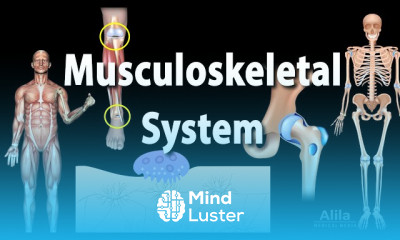
Overview of the Musculoskeletal System Animation
Neuromuscular Junction Animation
Muscle Contraction Cross Bridge Cycle Animation
Motor Neuron Disease Animation
Shoulder Arthritis Narrated Animation
Frozen Shoulder Adhesive Capsulitis Animation
Surgical Options for Shoulder Arthritis Animation
Bankart Lesion and Repair Surgery Animation
Subacromial Decompression and Arthroscopic Rotator Cuff Repair Animation
Rheumatoid Arthritis Animation
Compartment Syndrome Animation
Thoracic Outlet Syndrome TOS Animation
Gout Pathophysiology Causes Symptoms Risk Factors Diagnosis and Treatments Animation
Myofascial Pain Syndrome and Trigger Points Treatments Animation
Piriformis Syndrome versus Sciatica Animation
PRP Therapy Animation
ACL Reconstruction Surgery Animation
Ankle Fusion Surgery Animation
How to Get The Certificate
-
You must have an
Account
on the platform.
-
Complete all lessons.
-
Watch at least 50% of Lesson Duration.
-
Get your Certificate free 🎉 !
4.2
(121 reviews)
Overall rating

Reviews
Be the First One Review This Course
Related Courses
View All












Myofascial Pain Syndrome and Treatments Course Description
Myofascial Pain Syndrome course, in this course we will delve into the intricacies of myofascial pain syndrome (MPS), a common condition characterized by localized muscle pain and tenderness, often associated with trigger points. Students will explore the pathophysiology underlying MPS, including muscle overuse, trauma, poor posture, and emotional stress, leading to the development of trigger points within the muscle fibers. Through case studies and clinical examples, participants will gain insights into the diverse range of symptoms associated with MPS, such as muscle stiffness, restricted range of motion, and referred pain patterns. Additionally, the course will cover diagnostic approaches, including physical examination and trigger point identification, as well as various treatment modalities, such as manual therapies, trigger point injections, stretching exercises, and stress management techniques. By the end of the course, students will possess a comprehensive understanding of MPS and its management strategies to effectively address musculoskeletal pain and improve patient outcomes.
Focus on Learning, Not Ads
Experience the full power of Mindluster with Premium.
No distractions, just pure education.
Cancel your subscription anytime
