
 18 Lessons
 7 Students


Low Potassium foods course, in this course designed to educate individuals about the importance of managing potassium intake for optimal health. Throughout this course, participants will explore a variety of low potassium food options, ranging from fruits and vegetables to grains and proteins. By delving into the nutritional content of different foods and their impact on potassium levels, learners will gain valuable insights into creating balanced and nutritious meals while adhering to low potassium diets. From practical tips on ingredient selection to delicious recipes tailored to low potassium requirements, this course offers practical guidance for individuals seeking to manage conditions such as chronic kidney disease or hyperkalemia. Whether you're a healthcare professional looking to expand your knowledge or an individual navigating dietary restrictions, Low Potassium foods equips you with the tools and information needed to make informed decisions about your diet and promote overall well-being. Join us as we explore the world of low potassium foods and discover how to maintain a healthy and balanced diet without compromising taste or nutrition.
 To Register in Course you have to watch at least 30 Second of any lesson
What You'll Learn
-
 Identify low potassium fruits, vegetables, grains, and proteins suitable for restricted diets and health conditions
-
Analyze nutritional content of foods to manage potassium intake effectively and prevent hyperkalemia
-
Create balanced meal plans incorporating low potassium ingredients for kidney health and chronic disease management
-
Apply practical tips for ingredient selection and food preparation to reduce potassium levels in meals
-
Develop delicious low potassium recipes that meet dietary restrictions without sacrificing taste or nutrition
-
Evaluate the impact of various foods on potassium levels to make informed dietary choices for health conditions
-
Implement strategies for grocery shopping and meal prep focused on low potassium food options
-
Educate others on the importance of low potassium diets for managing health conditions and promoting well-being
Course Content
18 Lessons • 2 h 23 m total

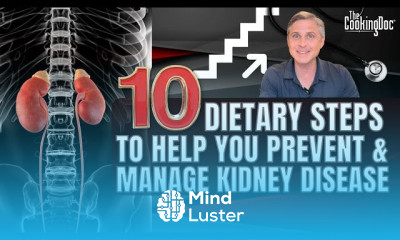
10 Dietary Steps to Help You Prevent and Manage Kidney Disease The Cooking Doc
The 10 Worst Foods to Eat if You Have High Blood Pressure The Cooking Doc
Pros and Cons of Spinach in Our Diet and for those with Kidney Disease The Cooking Doc
Kidney Transplant and What Foods to Eat and Avoid After The Cooking Doc
What Foods will Lower Your Creatinine and increase your GFR The Cooking Doc
The 6 Things I Eat Every Day The Cooking Doc
5 Ways to Lower High Blood Pressure Without Medication The Cooking Doc
Should You Be Drinking More Cranberry Juice If You Have Kidney Disease The Cooking Doc
Is Diet Soda Bad for Your Kidneys The Cooking Doc
5 Quick Dietary Changes to Protect Your Kidneys The Cooking Doc
How Much Water Should You Drink with Kidney Disease
Top 10 Questions about Potassium and your Kidneys The Cooking Doc AAKP
Prevent and Manage Kidney Disease New Book The Cooking Doc s Kidney Healthy Cooking
The Keto Diet and Kidney Function A Kidney Doctor Explains The Cooking Doc
Holiday Parties on a Limited Diet Tips From THE COOKING DOC
Are Bananas and Potatoes Bad for Your Kidneys
Can What You Eat Reverse Kidney Disease
15 Low Potassium Foods That Are Good For Your Kidneys
How to Get The Certificate
-
You must have an
Account
on the platform.
-
Complete all lessons.
-
Watch at least 50% of Lesson Duration.
-
Get your Certificate free 🎉 !
4.1
 (147 reviews)
Overall rating

Reviews
Be the First One Review This Course
Related Courses
View All


Low Potassium foods tips Course Description
Low Potassium foods course, in this course designed to educate individuals about the importance of managing potassium intake for optimal health. Throughout this course, participants will explore a variety of low potassium food options, ranging from fruits and vegetables to grains and proteins. By delving into the nutritional content of different foods and their impact on potassium levels, learners will gain valuable insights into creating balanced and nutritious meals while adhering to low potassium diets. From practical tips on ingredient selection to delicious recipes tailored to low potassium requirements, this course offers practical guidance for individuals seeking to manage conditions such as chronic kidney disease or hyperkalemia. Whether you're a healthcare professional looking to expand your knowledge or an individual navigating dietary restrictions, Low Potassium foods equips you with the tools and information needed to make informed decisions about your diet and promote overall well-being. Join us as we explore the world of low potassium foods and discover how to maintain a healthy and balanced diet without compromising taste or nutrition.
Focus on Learning, Not Ads
Experience the full power of Mindluster with Premium.
No distractions, just pure education.
Cancel your subscription anytime
