


Jasleen kaur
It was great
 (3 reviews)
 24 Lessons
 216 Students
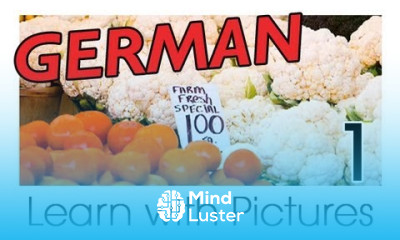
German Fruit vocabulary course, in this course we will learn about German fruit vocabulary, focusing on essential words and phrases related to a variety of fruits. This course is designed to help learners of all levels build a strong foundation in German vocabulary by familiarizing them with the names, characteristics, and uses of different fruits. By the end of this course, you will be able to confidently identify and describe various fruits in German. The course covers a wide range of fruits, including common ones like apples (Äpfel), bananas (Bananen), oranges (Orangen), and strawberries (Erdbeeren), as well as more exotic fruits such as mangoes (Mangos), kiwis (Kiwis), and pineapples (Ananas). Each lesson provides clear explanations, practical examples, and interactive exercises to reinforce your learning and help you retain the material. You will learn not only the names of these fruits but also related vocabulary such as colors, tastes, and common uses in cooking and baking. Pronunciation guides and audio recordings will help you master the correct pronunciation and intonation of each word. Interactive activities, such as matching exercises, flashcards, and quizzes, will make learning engaging and effective. The course also includes cultural insights into fruit consumption and popular fruit dishes in German-speaking countries, providing you with a deeper understanding of the context in which these words are used. Whether you are a beginner looking to expand your vocabulary, a student preparing for an exam, or simply interested in learning more about fruits in German-speaking countries, this course will provide you with the tools and knowledge you need. Join us and start your journey to mastering German fruit vocabulary today
 To Register in Course you have to watch at least 30 Second of any lesson
 Identify and name a variety of fruits in German, including common and exotic options, with correct pronunciation and pronunciation.
Describe fruit characteristics, such as colors, tastes, and textures, using relevant German vocabulary.
Use German fruit vocabulary confidently in everyday conversations, shopping, and cooking contexts.
Apply knowledge of German fruit-related phrases to describe recipes, dishes, and fruit preferences accurately.
Recognize cultural references and common fruit dishes in German-speaking countries through vocabulary and phrases.
Differentiate between various fruits based on their descriptions, characteristics, and uses in German.
Utilize interactive exercises like flashcards and quizzes to reinforce German fruit vocabulary retention.
Implement pronunciation and intonation techniques to improve spoken German related to fruit vocabulary.
Integrate fruit-related vocabulary into writing exercises, including descriptions and short narratives in German.
Demonstrate understanding of the role of fruits in German cuisine and cultural practices through vocabulary application.
24 Lessons • 1 h 5 m total
 You must have an
Account
on the platform.
Complete all lessons.
Watch at least 50% of Lesson Duration.
Get your Certificate free 🎉 !
4.3
(3 reviews)
Overall rating

Be the First One Review This Course
It was great

to start it's good viele danke ich euch ihnen einen woderubar tag

tank

lesson 2 would not open...

German Fruit vocabulary course, in this course we will learn about German fruit vocabulary, focusing on essential words and phrases related to a variety of fruits. This course is designed to help learners of all levels build a strong foundation in German vocabulary by familiarizing them with the names, characteristics, and uses of different fruits. By the end of this course, you will be able to confidently identify and describe various fruits in German. The course covers a wide range of fruits, including common ones like apples (Äpfel), bananas (Bananen), oranges (Orangen), and strawberries (Erdbeeren), as well as more exotic fruits such as mangoes (Mangos), kiwis (Kiwis), and pineapples (Ananas). Each lesson provides clear explanations, practical examples, and interactive exercises to reinforce your learning and help you retain the material. You will learn not only the names of these fruits but also related vocabulary such as colors, tastes, and common uses in cooking and baking. Pronunciation guides and audio recordings will help you master the correct pronunciation and intonation of each word. Interactive activities, such as matching exercises, flashcards, and quizzes, will make learning engaging and effective. The course also includes cultural insights into fruit consumption and popular fruit dishes in German-speaking countries, providing you with a deeper understanding of the context in which these words are used. Whether you are a beginner looking to expand your vocabulary, a student preparing for an exam, or simply interested in learning more about fruits in German-speaking countries, this course will provide you with the tools and knowledge you need. Join us and start your journey to mastering German fruit vocabulary today
Experience the full power of Mindluster with Premium.
No distractions, just pure education.
Cancel your subscription anytime