×
MindLuster Logo

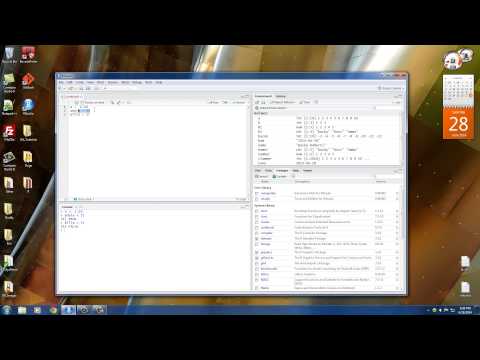
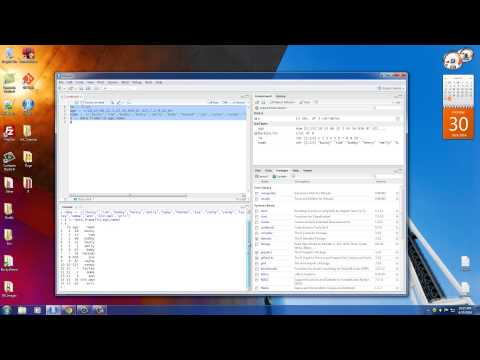
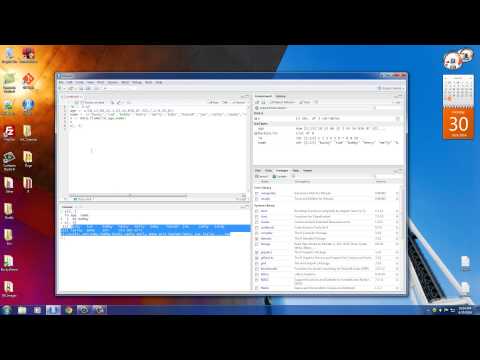
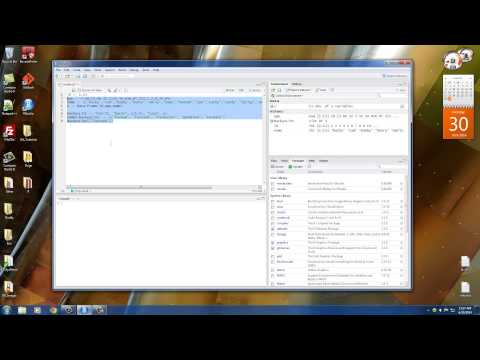
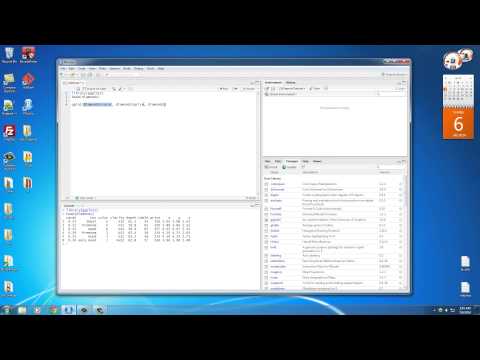
R Data Types

Track :

Programming

Lessons no : 18

For Free Certificate After Complete The Course

To Register in Course you have to watch at least 30 Second of any lesson

Join The Course Go To Community Download Course Content
What will you learn in this course?
  • Master data type identification and classification in R for accurate data analysis and visualization
  • Apply R's data structures such as vectors, matrices, lists, and data frames for efficient data management
  • Utilize R functions to convert and manipulate different data types for seamless data processing
  • Implement best practices for handling categorical, numerical, and textual data in R projects
  • Develop skills to troubleshoot data type errors and ensure data integrity in R workflows
  • Create and customize data visualizations using appropriate R data types and graphics packages
  • Integrate R data types into statistical models for precise analysis and interpretation
  • Optimize data workflows by selecting suitable R data types for large-scale and complex datasets

How to Get The Certificate

  • You must have an account Register
  • Watch All Lessons
  • Watch at least 50% of Lesson Duration
  • you can follow your course progress From Your Profile
  • You can Register With Any Course For Free
  • The Certificate is free !
Lessons | 18


We Appreciate Your Feedback

Excellent
1 Reviews
Good
0 Reviews
medium
0 Reviews
Acceptable
0 Reviews
Not Good
0 Reviews
4.3
3 Reviews

Tanzila Nasir

..
2025-01-26

S VIGNESHWAR

Its a good course and easy to understand.
2024-10-07

Tarandeep Hanjra

Great experience
2024-02-04

sneha

It was too good ,thank u so much!
2023-10-07

Abdualmoniem Omer Abdalla Musa

Very informative course
2023-07-08

Show More Reviews

Our New Certified Courses Will Reach You in Our Telegram Channel
Join Our Telegram Channels to Get Best Free Courses

Join Now

Related Courses

R is a programming language for statistical computing and graphics that you can use to clean, analyze, and graph your data. It is widely used by researchers from diverse disciplines to estimate and display results and by teachers of statistics and research methods .