Human heart structure course,
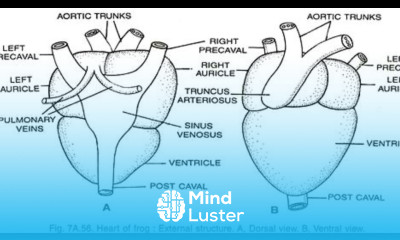
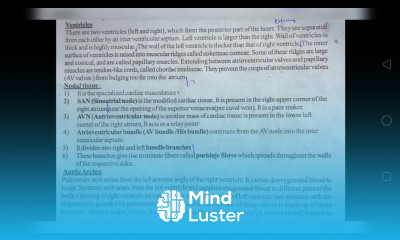
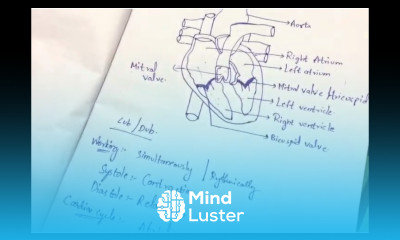
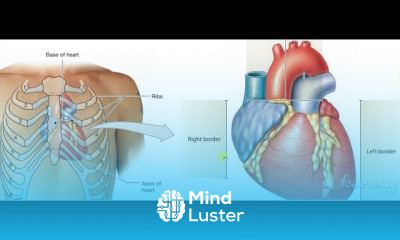
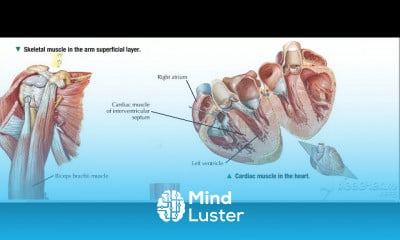
in this course we will learn about the human heart structure in detail. The heart, a vital muscular organ, is responsible for pumping blood throughout the body. We will explore its external and internal anatomy, including the four main chambers: the right atrium, right ventricle, left atrium, and left ventricle. You’ll learn about the heart valves, such as the tricuspid, bicuspid (mitral), pulmonary, and aortic valves, and how they regulate blood flow. We will also examine the major blood vessels connected to the heart like the aorta, vena cava, pulmonary arteries, and veins. Additionally, the course covers the pericardium, myocardium, and endocardium—the three layers of the heart wall. Through diagrams, models, and animations, you’ll gain a clear understanding of the structural features that enable the heart to perform its essential role in the circulatory system. Let’s begin the Human Heart Structure course now. Bio science