


V.KRISHNIKA
Good
 (262 reviews)
 83 Lessons
 1.7K Students
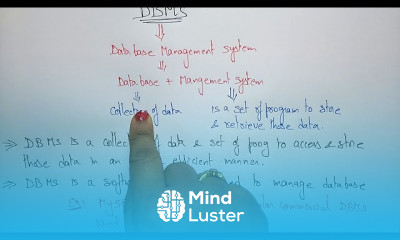
Database Management Systems (DBMS) are software systems used to store, retrieve, and run queries on data. A DBMS serves as an interface between an end-user and a database, allowing users to create, read, update, and delete data in the database.
 To Register in Course you have to watch at least 30 Second of any lesson
 Master designing relational databases using normalization, indexing, and schema design techniques for efficient data management
Implement SQL queries, joins, and transactions to retrieve and manipulate data effectively in real-world scenarios
Apply database security principles, including user authentication, authorization, and encryption, to protect sensitive information
Optimize database performance through query tuning, indexing strategies, and storage management techniques
Develop and manage database backups, recovery plans, and disaster recovery strategies for data integrity and availability
Utilize database management tools and software to monitor, troubleshoot, and maintain database systems
Design and implement data models, ER diagrams, and schema diagrams for complex database projects
Integrate databases with applications using APIs, stored procedures, and data integration techniques
Ensure compliance with data privacy laws and regulations in database design and management practices
Perform data migration, transformation, and integration tasks between different database systems
Apply principles of data warehousing, data mining, and business intelligence for advanced data analysis
Implement version control and change management processes for database schemas and scripts
Evaluate and select appropriate DBMS software based on project requirements and scalability needs
Troubleshoot common database issues, including deadlocks, performance bottlenecks, and data corruption
83 Lessons • 15 h 1 m total

 You must have an
Account
on the platform.
Complete all lessons.
Watch at least 50% of Lesson Duration.
Get your Certificate free 🎉 !
4.5
(262 reviews)
Overall rating

Be the First One Review This Course
Good
Great course!

Good.

Excellent
good
it was ag great course!!!! learned a lot of good things
helpful

Excellent

i wish it would more updated and more detailed information for more helpful for students to learn

I hope it will be more updated than with these features, and it is very helpful for students who are interested in learning

your feedback
EASY COURSE

Database Management Systems (DBMS) are software systems used to store, retrieve, and run queries on data. A DBMS serves as an interface between an end-user and a database, allowing users to create, read, update, and delete data in the database.
Experience the full power of Mindluster with Premium.
No distractions, just pure education.
Cancel your subscription anytime