
 121 Lessons
 2 Students


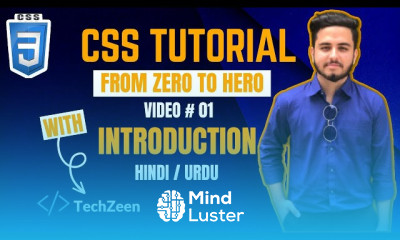
Cascading Stylesheets — or CSS — is the first technology you should start learning after HTML. While HTML is used to define the structure and semantics of your content, CSS is used to style it and lay it out CSS programming .
 To Register in Course you have to watch at least 30 Second of any lesson
What You'll Learn
-
 Master CSS syntax, selectors, and specificity to create visually appealing web pages with responsive layouts and modern design.
-
Apply CSS box model, positioning, and flexbox techniques to build flexible, adaptive, and user-friendly website interfaces.
-
Implement CSS animations, transitions, and transformations to enhance user experience and interactive web elements.
-
Utilize CSS preprocessors like SASS or LESS for efficient, scalable, and maintainable stylesheet development.
-
Design cross-browser compatible stylesheets ensuring consistent appearance across Chrome, Firefox, Safari, and Edge.
-
Optimize CSS for performance by minimizing code, leveraging best practices, and reducing load times.
-
Create accessible web designs by applying CSS techniques that improve readability and navigation for all users.
-
Use CSS Grid and Flexbox to develop complex, multi-column layouts and dynamic web page structures.
-
Implement media queries and responsive design principles for mobile-friendly, adaptable websites.
-
Debug and troubleshoot CSS issues using browser developer tools for efficient problem-solving.
-
Integrate CSS with HTML and JavaScript to develop interactive, styled web applications and dashboards.
-
Apply CSS best practices for maintainability, scalability, and clean code organization in large projects.
-
Utilize CSS frameworks like Bootstrap or Tailwind CSS to accelerate development and ensure consistency.
-
Create visually engaging web pages by combining CSS with graphic design principles and color theory.
-
Implement custom CSS themes and styles to personalize website branding and user interface.
-
Stay updated with the latest CSS standards, features, and best practices for modern web development.
Course Content
121 Lessons • 18 h 0 m total

Introduction to CSS
The C in CSS Means Cascading
CSS Color Property Values
Combining and Chaining CSS Selectors
How CSS Padding and Margin Works
CSS Box Model
CSS Height vs Line Height
CSS display none vs visibility hidden
CSS Float and Clear Properties
CSS text shadow
CSS box shadow
CSS border Shorthand Property
CSS border radius property
Pseudo Classes vs Pseudo Elements in CSS
CSS nth child Selectors
All About CSS Transitions
Creating CSS Font Stacks
Google Fonts Tutorial
Custom Web Fonts with font face
CSS font and font family Properties
CSS Letter and Word Spacing
CSS Unicode Range
Understanding CSS Position
CSS position sticky
Combining CSS position relative and absolute
All You Need to Know about CSS Backgrounds
CSS attr method
CSS Columns
CSS Variables
Intro to CSS Grid
CSS Grids Named Grid Areas
CSS Grids with Unequal Columns
Overlapping CSS Grid Elements
Getting Started with Flexbox
Replacing Float with Flexbox in Nav Menus
Mouse Cursors in CSS
CSS background clip Property
CSS not pseudo class Selector
How to Use the CSS target Pseudo Class
CSS all Property

How to Get The Certificate
-
You must have an
Account
on the platform.
-
Complete all lessons.
-
Watch at least 50% of Lesson Duration.
-
Get your Certificate free 🎉 !
4.6
 (44 reviews)
Overall rating

Reviews
Be the First One Review This Course
Related Courses
View All








CSS programming Course Description
Cascading Stylesheets — or CSS — is the first technology you should start learning after HTML. While HTML is used to define the structure and semantics of your content, CSS is used to style it and lay it out CSS programming .
Focus on Learning, Not Ads
Experience the full power of Mindluster with Premium.
No distractions, just pure education.
Cancel your subscription anytime
