
 7 Lessons
 4.7K Students



Samiullah QALAMWAL
No bad
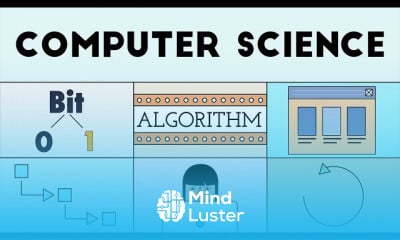
Computer science is the study of algorithmic processes, computational machines and computation itself. As a discipline, computer science spans a range of topics from theoretical studies of algorithms, computation and information to the practical issues of implementing computational systems in hardware and software. Its fields can be divided into theoretical and practical disciplines. For example, the theory of computation concerns abstract models of computation and general classes of problems that can be solved using them, while computer graphics or computational geometry emphasize more specific applications. Algorithms and data structures have been called the heart of computer science. Programming language theory considers approaches to the description of computational processes, while computer programming involves the use of them to create complex systems. Computer architecture describes construction of computer components and computer-operated equipment. Artificial intelligence aims to synthesize goal-orientated processes such as problem-solving, decision-making, environmental adaptation, planning and learning found in humans and animals. A digital computer is capable of simulating various information processes. The fundamental concern of computer science is determining what can and cannot be automated. Computer scientists usually focus on academic research. The Turing Award is generally recognized as the highest distinction in computer sciences.
 To Register in Course you have to watch at least 30 Second of any lesson
 Understand fundamental algorithms, data structures, and their applications in solving real-world problems using programming languages
Apply basic principles of computer architecture and hardware components to optimize system performance and efficiency
Analyze computational problems to determine their solvability and develop effective algorithmic solutions
Implement programming concepts including coding, debugging, and testing in various programming languages and environments
Evaluate the role of artificial intelligence and machine learning in modern computing and automation tasks
Describe core theories of computation, including models like Turing machines and computational complexity
7 Lessons • 14 m total
You must have an
Account
on the platform.
Complete all lessons.
Watch at least 50% of Lesson Duration.
Get your Certificate free 🎉 !
4.5
 (1253 reviews)
Overall rating

Be the First One Review This Course
No bad
wooow
Very excellent

Very very very useful

Good

Perfect

Nice

positive
Good

Awesome

Best

BEST

Computer science is the study of algorithmic processes, computational machines and computation itself. As a discipline, computer science spans a range of topics from theoretical studies of algorithms, computation and information to the practical issues of implementing computational systems in hardware and software. Its fields can be divided into theoretical and practical disciplines. For example, the theory of computation concerns abstract models of computation and general classes of problems that can be solved using them, while computer graphics or computational geometry emphasize more specific applications. Algorithms and data structures have been called the heart of computer science. Programming language theory considers approaches to the description of computational processes, while computer programming involves the use of them to create complex systems. Computer architecture describes construction of computer components and computer-operated equipment. Artificial intelligence aims to synthesize goal-orientated processes such as problem-solving, decision-making, environmental adaptation, planning and learning found in humans and animals. A digital computer is capable of simulating various information processes. The fundamental concern of computer science is determining what can and cannot be automated. Computer scientists usually focus on academic research. The Turing Award is generally recognized as the highest distinction in computer sciences.
Experience the full power of Mindluster with Premium.
No distractions, just pure education.
Cancel your subscription anytime