
 37 Lessons
 357 Students








Dhanya N
None of the video is playing. Vey disappointed
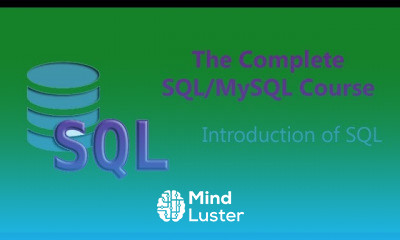
SQL is used to communicate with a database. According to ANSI (American National Standards Institute), it is the standard language for relational database management systems. SQL statements are used to perform tasks such as update data on a database, or retrieve data from a database.
 To Register in Course you have to watch at least 30 Second of any lesson
 Write and execute basic SQL queries to retrieve and update data in relational databases using SQL syntax and commands
Design simple database schemas and create tables with appropriate data types and constraints using SQL
Apply filtering, sorting, and aggregation techniques to analyze data effectively with SQL queries
Utilize SQL joins and subqueries to combine and retrieve data from multiple tables efficiently
Implement data manipulation operations such as INSERT, UPDATE, and DELETE to manage database records
Use SQL functions and expressions to perform calculations and data transformations within queries
Identify and resolve common SQL errors and optimize query performance for faster data retrieval
Create and manage database objects like indexes, views, and stored procedures to enhance database functionality
Understand and apply best practices for writing clean, efficient, and maintainable SQL code
Interpret SQL execution plans to troubleshoot and improve query performance in relational databases
Secure database data by implementing user permissions and access controls using SQL commands
Develop practical skills for real-world database management, reporting, and data analysis with SQL
37 Lessons • 1 h 54 m total
 You must have an
Account
on the platform.
Complete all lessons.
Watch at least 50% of Lesson Duration.
Get your Certificate free 🎉 !
2.5
 (2 reviews)
Overall rating

Be the First One Review This Course
None of the video is playing. Vey disappointed

5

SQL is used to communicate with a database. According to ANSI (American National Standards Institute), it is the standard language for relational database management systems. SQL statements are used to perform tasks such as update data on a database, or retrieve data from a database.
Experience the full power of Mindluster with Premium.
No distractions, just pure education.
Cancel your subscription anytime