Data Persistence Programming Course

 (99 reviews)
-
 51 Lessons
-
 3 Students
- Certificate of completion


Persistent data is static and does not change with time (not dynamic). Persistent data stores core information. For example, an organization's financial data must be persistent. Persistent data cannot be deleted by external processes or objects until the user deletes it, meaning it's stable .
 To Register in Course you have to watch at least 30 Second of any lesson
What You'll Learn
-
 Master how to implement data persistence using various storage technologies like databases and file systems
-
Design reliable data storage solutions ensuring data stability and integrity in software applications
-
Apply best practices for securing persistent data against unauthorized access and data breaches
-
Develop strategies for efficient data retrieval and management in persistent storage systems
-
Evaluate different data persistence frameworks and select appropriate solutions for specific project needs
-
Implement data backup and recovery procedures to prevent data loss and ensure business continuity
-
Optimize data persistence processes for performance, scalability, and stability in large-scale applications
-
Integrate persistent data storage seamlessly with application workflows and user interfaces
-
Troubleshoot common issues related to data persistence, including corruption, inconsistency, and access errors
-
Utilize version control and data migration techniques to manage persistent data evolution over time
-
Understand legal and ethical considerations in storing and managing persistent data
-
Create comprehensive documentation for persistent data systems to facilitate maintenance and compliance
Course Content
51 Lessons • 8 h 27 m total

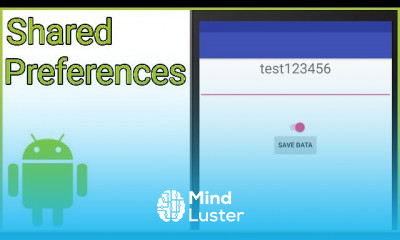
How to Save Variables in SharedPreferences Android Studio Tutorial
Write Text File to Internal Storage Android Studio Tutorial
How to Save an ArrayList of Custom Objects to SharedPreferences with Gson Android Studio Tutorial
How to Restore Variables When Rotating the Device Android Studio Tutorial
Do Something on First App Start Only Android Studio Tutorial
Room ViewModel LiveData RecyclerView MVVM Part 1 WHAT ARE ANDROID ARCHITECTURE COMPONENTS
Room ViewModel LiveData RecyclerView MVVM Part 2 ENTITY Android Studio Tutorial
Room ViewModel LiveData RecyclerView MVVM Part 3 DAO ROOM DATABASE Android Tutorial
Room ViewModel LiveData RecyclerView MVVM Part 4 REPOSITORY Android Studio Tutorial
Room ViewModel LiveData RecyclerView MVVM Part 5 VIEWMODEL Android Studio Tutorial
Room ViewModel LiveData RecyclerView MVVM Part 6 RECYCLERVIEW ADAPTER Android Tutorial
Room ViewModel LiveData RecyclerView MVVM Part 7 ADD NOTE ACTIVITY Android Tutorial
Room ViewModel LiveData RecyclerView MVVM Part 8 SWIPE TO DELETE Android Studio Tutorial
Room ViewModel LiveData RecyclerView MVVM Part 9 EDIT NOTES ON ITEM CLICK Android
Room ViewModel LiveData RecyclerView MVVM Part 10 ADD ANIMATIONS WITH LISTADAPTER DIFFUTIL
SQLite RecyclerView Part 1 CONTRACT AND SQLITE OPEN HELPER Android Studio Tutorial
SQLite RecyclerView Part 2 CURSOR AND RECYCLERVIEW ADAPTER Android Studio Tutorial
SQLite RecyclerView Part 3 DELETING ROWS WITH ITEM TOUCH HELPER Android Studio Tutorial
How to Open an SQLite Database from an Emulator on the Computer Android Studio Tutorial
Firebase Storage Upload and Retrieve Images Part 1 PREPARATIONS AND LAYOUT Android Studio
Firebase Storage Upload and Retrieve Images Part 2 PICK IMAGE FROM DEVICE Android Studio
Firebase Storage Upload and Retrieve Images Part 3 UPLOAD IMAGE Android Studio Tutorial
Firebase Storage Upload and Retrieve Images Part 4 PREPARING THE IMAGES ACTIVITY Android
Firebase Storage Upload and Retrieve Images Part 5 ADAPTER CLASS Android Studio Tutorial
Firebase Storage Upload and Retrieve Images Part 6 RETRIEVE IMAGES Android Studio Tutorial
Firebase Storage Upload and Retrieve Images Part 7 FLOATING CONTEXT MENU AND INTERFACE
Firebase Storage Upload and Retrieve Images Part 8 DELETING STORAGE DATABASE ENTRY Android
Firestore Tutorial Part 1 WHAT IS CLOUD FIRESTORE Android Studio Tutorial
Firestore Tutorial Part 2 SETTING UP FIREBASE FIRST DOCUMENT Android Studio Tutorial
Firestore Tutorial Part 3 RETRIEVE DATA FROM DOCUMENT Android Studio Tutorial
Firestore Tutorial Part 4 SNAPSHOT LISTENER Android Studio Tutorial
Firestore Tutorial Part 5 MERGE AND UPDATE Android Studio Tutorial
Firestore Tutorial Part 6 DELETE DATA Android Studio Tutorial
Firestore Tutorial Part 7 CUSTOM JAVA OBJECT Android Studio Tutorial
Firestore Tutorial Part 8 ADD AND RETRIEVE MULTIPLE DOCUMENTS Android Studio Tutorial
Firestore Tutorial Part 9 SIMPLE QUERIES Android Studio Tutorial
Firestore Tutorial Part 10 COMPOUND QUERIES Android Studio Tutorial
Firestore Tutorial Part 11 MERGE TASKS TO CREATE OR QUERIES Android Studio Tutorial
Firestore Tutorial Part 12 PAGINATION Android Studio Tutorial
Firestore Tutorial Part 13 DOCUMENT CHANGES Android Studio Tutorial

How to Get The Certificate
-
You must have an
Account
on the platform.
-
Complete all lessons.
-
Watch at least 50% of Lesson Duration.
-
Get your Certificate free 🎉 !
4.7
(99 reviews)
Overall rating

Reviews
Be the First One Review This Course
Related Courses
View All












Data Persistence Programming Course Description
Persistent data is static and does not change with time (not dynamic). Persistent data stores core information. For example, an organization's financial data must be persistent. Persistent data cannot be deleted by external processes or objects until the user deletes it, meaning it's stable .
Focus on Learning, Not Ads
Experience the full power of Mindluster with Premium.
No distractions, just pure education.
Cancel your subscription anytime
