



Harini Kasanagottu
good
 (6 reviews)
 3 Lessons
 78 Students
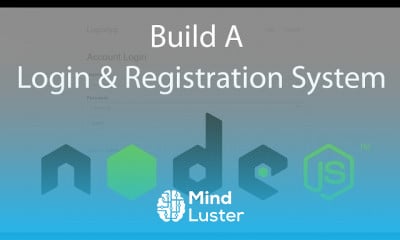
A common requirement when building a web app is to implement a login system, so that users can authenticate themselves before gaining access to protected views or resources. Luckily for those building Node apps, there’s a middleware called Passport that can be dropped into any Express-based web application to provide authentication mechanisms in only a few commands. Prerequisites To follow along with this tutorial, you’ll need to have Node and MongoDB installed on your machine. You can install Node by heading to the official Node download page and grabbing the correct binaries for your system. Alternatively, you can use a version manager — a program that allows you to install multiple versions of Node and switch between them at will. If you fancy going this route, please consult our quick tip, “Install Multiple Versions of Node.js Using nvm”. MongoDB comes in various editions. The one we’re interested in is the MongoDB Community Edition. The project’s home page has excellent documentation and I won’t try to replicate that here. Rather, I’ll offer you links to instructions for each of the main operating systems:
 To Register in Course you have to watch at least 30 Second of any lesson
 Implement user authentication in Node.js applications using Passport middleware and Express framework
Configure and integrate MongoDB for secure user data storage and retrieval in Node.js projects
Develop login, registration, and session management features with Passport and Express in Node.js
Implement security best practices for user authentication, including password hashing and session handling
3 Lessons • 59 m total
You must have an
Account
on the platform.
Complete all lessons.
Watch at least 50% of Lesson Duration.
Get your Certificate free 🎉 !
4.7
(6 reviews)
Overall rating

Be the First One Review This Course
good

d

good

Good

Good

Good

Nice
COOL
Good
good
nice

Good

A common requirement when building a web app is to implement a login system, so that users can authenticate themselves before gaining access to protected views or resources. Luckily for those building Node apps, there’s a middleware called Passport that can be dropped into any Express-based web application to provide authentication mechanisms in only a few commands. Prerequisites To follow along with this tutorial, you’ll need to have Node and MongoDB installed on your machine. You can install Node by heading to the official Node download page and grabbing the correct binaries for your system. Alternatively, you can use a version manager — a program that allows you to install multiple versions of Node and switch between them at will. If you fancy going this route, please consult our quick tip, “Install Multiple Versions of Node.js Using nvm”. MongoDB comes in various editions. The one we’re interested in is the MongoDB Community Edition. The project’s home page has excellent documentation and I won’t try to replicate that here. Rather, I’ll offer you links to instructions for each of the main operating systems:
Experience the full power of Mindluster with Premium.
No distractions, just pure education.
Cancel your subscription anytime