


Anupam Bose
ok
 (6 reviews)
 45 Lessons
 1K Students
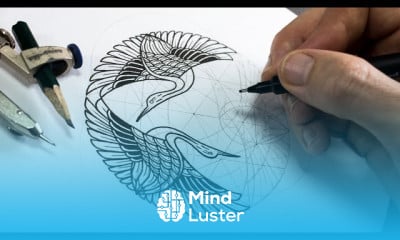
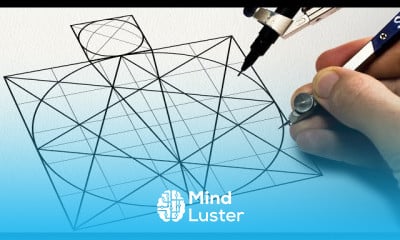
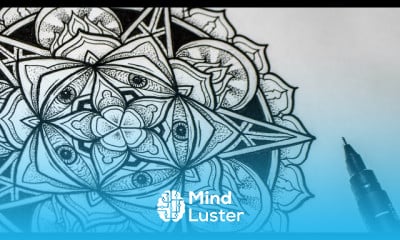
There are seven elements in art. They are color, form, line, shape, space, texture, and value. The ten common principles of art are balance, emphasis, harmony, movement, pattern, proportion, repetition, rhythm, unity, and variety .
 To Register in Course you have to watch at least 30 Second of any lesson
 Master how to effectively use color, line, and shape to create compelling artwork with practical techniques
Apply principles of balance, emphasis, and harmony to enhance visual impact in drawings and compositions
Identify and utilize the seven fundamental elements of art—form, space, texture, and value—in various artistic projects
Develop skills to analyze and incorporate movement, rhythm, and pattern for dynamic and engaging artwork
Implement the principles of proportion, repetition, and variety to achieve visual harmony and interest in drawings
Use space and texture creatively to add depth, dimension, and tactile quality to your art pieces
Combine elements and principles to plan and execute balanced, cohesive, and expressive artworks
Evaluate artwork for effective use of color, form, and principles to improve artistic techniques and outcomes
Apply foundational drawing skills to develop realistic and abstract compositions with clarity
Integrate the concepts of unity and variety to create visually appealing and well-structured art pieces
Utilize value and contrast to add depth, focus, and emotional impact to your drawings
Develop a personal approach to applying basic drawing elements and principles for continuous artistic growth
45 Lessons • 9 h 18 m total

 You must have an
Account
on the platform.
Complete all lessons.
Watch at least 50% of Lesson Duration.
Get your Certificate free 🎉 !
3.7
(6 reviews)
Overall rating

Be the First One Review This Course
ok

Good learning lot's

I am very happy to attend this course. I appreciate for your wonderful reception. its my first time to attend any of your course. I look forward to learning more from you. thank you

Good
great course for easy understanding on the topic of basic drawing principles

Good

good

Great tutorial
nice experience

Very bad
Good I feel like I am improving already
Nice

There are seven elements in art. They are color, form, line, shape, space, texture, and value. The ten common principles of art are balance, emphasis, harmony, movement, pattern, proportion, repetition, rhythm, unity, and variety .
Experience the full power of Mindluster with Premium.
No distractions, just pure education.
Cancel your subscription anytime