

The simple swipe of a plastic card no longer represents the peak of building security. For decades, it was the standard, but technology has pushed the boundaries of what's possible for managing who goes where.
Today, entry systems are evolving into intelligent networks that do more than just grant or deny access. They are becoming a central part of how a facility operates, offering better security, greater convenience, and valuable data insights.
Evolution of Physical Access
The story of access control is a fascinating journey of technological progress. It began with mechanical keys and locks, a system that has been around for centuries. The 20th century brought electronic solutions, with magnetic stripe and proximity cards becoming common in corporate environments. Each step offered more control and easier management than the last.
Modern facilities now need systems that can handle complex schedules, provide detailed audit trails, and integrate with other security measures. Advanced commercial door access control systems are designed to meet these needs, offering a central platform to manage access across multiple entry points and even different locations, setting the stage for the next generation of security.
Biometrics and Mobile Credentials
The next big thing in access is already here, and it's either in your pocket or part of who you are. Biometric identifiers, like fingerprints, facial recognition, and iris scans, offer a level of security that's hard to copy or steal. Because these credentials are tied to a unique individual, they significantly reduce the risk of lost or shared cards. Alongside biometrics, mobile credentials are quickly becoming popular.
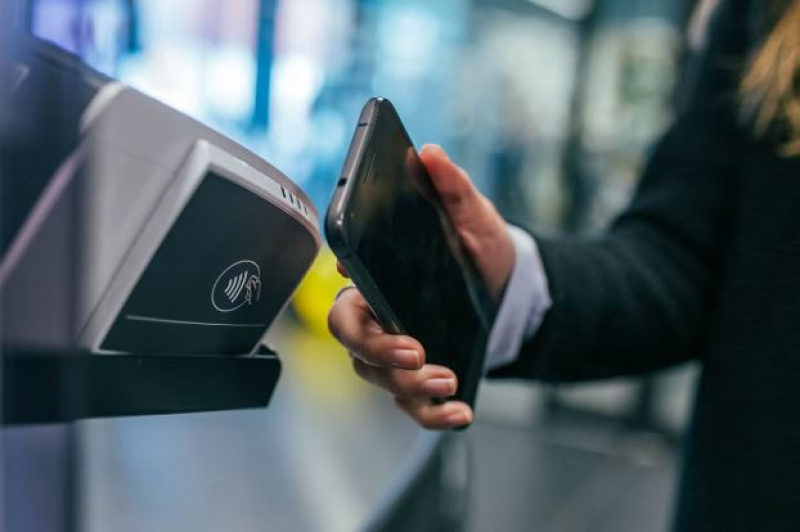
Your smartphone can now be your key, using Bluetooth or NFC technology to talk to readers. This offers incredible convenience for users and simplifies administration for security managers. The transition to mobile credentials from older card-based systems not only makes things more secure but also streamlines issuing and revoking access permissions instantly.
Integrated Solutions for Modern Facilities
A truly modern entry system doesn't work alone. The future is all about integration, where access control becomes the central hub connecting various building management systems. Imagine an employee badging into the office. That single action could simultaneously disarm the alarm for that zone, turn on the lights in their workspace, and adjust the HVAC to a comfortable temperature.
When connected with video surveillance, an access event can automatically trigger a camera to record the entry point, providing visual proof. This unified approach creates a smarter, more responsive building that improves both security and how efficiently it runs. It goes beyond simply controlling doors to create an environment that actively supports the people inside it.
Data Analytics in Security
Every time someone uses an entry system, it creates a data point. When collected and analyzed, this data becomes a powerful tool for improving security and optimizing operations. Access control analytics can show patterns in how a building is used, helping facility managers find underutilized spaces or peak traffic times. From a security standpoint, analytics can flag unusual activity that might signal a threat.
For example, the system could automatically alert security personnel if someone tries to access a sensitive area outside of normal working hours, or if a card is used very quickly at readers far apart. This proactive approach lets security teams move from just reacting to problems to anticipating and preventing potential risks before they get worse.
Designing User-Friendly Access
Even the most technologically advanced security system will fail if it's too complicated for people to use. A key principle in modern access control design is making it user-friendly. The goal is for security to feel seamless and intuitive for authorized people, while still being a strong barrier to unauthorized ones. This means choosing hardware that's easy to interact with, providing clear instructions, and ensuring the system responds quickly.
For employees, a smooth experience, like a door unlocking as they approach with their phone in their pocket, improves satisfaction and compliance. For visitors, a simple digital pre-registration process can make their arrival smooth and professional. Ultimately, the best systems balance strong security with a positive user experience.
The evolution of entry systems is about more than just technology. It's about creating smarter, safer, and more efficient environments. As these systems become more integrated and intelligent, they will continue to redefine our relationship with the physical spaces where we work and live.