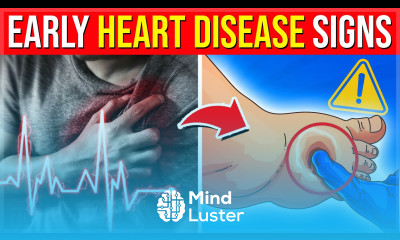
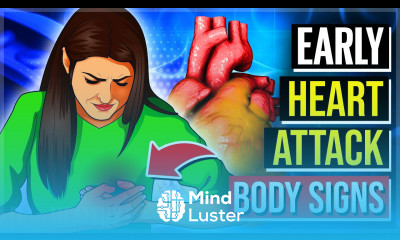
Identify subtle signs and symptoms of silent heart attacks in diverse patient populations using clinical observations and patient history
Explain risk factors such as age, gender, and pre-existing conditions that increase silent heart attack likelihood for targeted prevention strategies
Interpret diagnostic tests like ECG, echocardiogram, and blood tests to accurately detect silent heart attacks in asymptomatic or minimally symptomatic patients
Develop proactive heart health plans by recognizing early warning signs and understanding the importance of timely medical intervention
Silent heart attack signs and symptoms Course Description
Silent heart attack signs course,
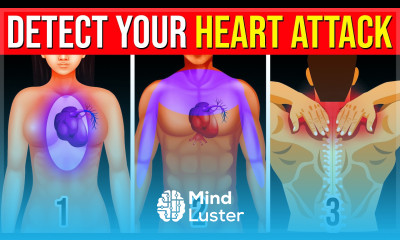
in this course we will delve into the often-overlooked signs and symptoms of silent heart attacks, a type of heart attack that occurs with minimal or no noticeable symptoms. Participants will learn about the subtle indicators that can signal a silent heart attack, such as mild discomfort in the chest, jaw, or arm, shortness of breath, nausea, and fatigue. Through comprehensive discussions and case studies, participants will gain insights into the risk factors associated with silent heart attacks, including age, gender, and pre-existing health conditions. Additionally, we'll explore the importance of early detection and the role of diagnostic tests such as ECG, echocardiogram, and blood tests in identifying silent heart attacks. By raising awareness and understanding the signs of silent heart attacks, participants will be empowered to take proactive steps towards heart health and prevention.