
 41 Lessons
 7.3K Students













Madina Hossaine
عالی
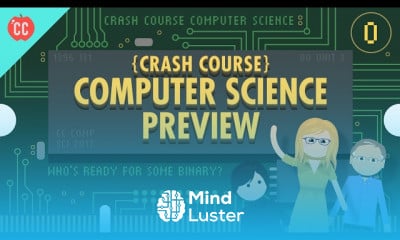
Is Computer Science hard? Learning the discipline of Computer Science is a hard and difficult endeavor for most students. However, if you are willing to invest the time and learn serious time management skills, most students can successfully learn the discipline and pursue successful careers in Computer Science fields.What do you study in computer science? The most important aspect of computer science is problem solving, an essential skill for life. Students study the design, development and analysis of software and hardware used to solve problems in a variety of business, scientific and social contexts.What is a computer science degree? A bachelor's in computer science trains undergraduates to develop computer software, write code in multiple programming languages, and solve computing problems. ... A bachelor's degree in computer science meets entry-level requirements for many coding careers, including software developer or information security analyst.Is computer science a good career? You'll Be Part of a Growing Industry: The number of jobs for computer and math occupations is growing much faster than average, making computer science one of the most viable degree options. Opens the Door to High-Paying Careers: Computer science graduates earn some of the highest starting salaries of any major.Can I do computer science if I'm bad at math? If you want to work in computer science, you need to be able to grasp complex mathematics. Advanced Calculus and Linear Algebra is just the beginning and are heavily dependent on algebra. There's very little opportunity for computer scientists without getting the math down.Is computer science a lot of math? Discrete mathematics, linear algebra, number theory, and graph theory are the math courses most relevant to the computer science profession. Different corners of the profession, from machine learning to software engineering, use these types of mathematics.
 To Register in Course you have to watch at least 30 Second of any lesson
 Develop problem-solving skills applicable to software and hardware design in diverse contexts using computer science principles
Write, analyze, and debug code across multiple programming languages for real-world applications and projects
Apply algorithms and data structures to optimize software performance and efficiency in practical scenarios
Design and implement software solutions addressing business, scientific, and social challenges effectively
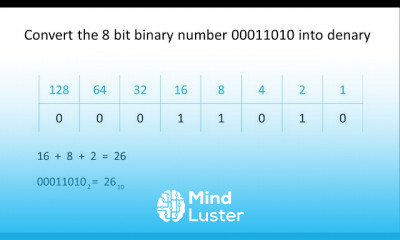
Utilize mathematical concepts such as discrete mathematics and linear algebra to solve complex computing problems
Assess and improve cybersecurity measures to protect digital information and systems in various environments
Develop critical thinking and analytical skills for troubleshooting and resolving technical issues in computer systems
Understand the fundamentals of computer architecture and hardware to optimize software integration and performance
Implement best practices in software development, including version control, testing, and documentation
Evaluate emerging technologies and trends to innovate and adapt in the rapidly evolving computer science industry
Apply problem decomposition and algorithmic thinking to develop scalable and maintainable software solutions
Demonstrate effective communication skills for technical documentation, teamwork, and stakeholder engagement
41 Lessons • 7 h 54 m total

 You must have an
Account
on the platform.
Complete all lessons.
Watch at least 50% of Lesson Duration.
Get your Certificate free 🎉 !
4.5
 (270 reviews)
Overall rating

Be the First One Review This Course
عالی

it's great

Good 👍

good

I am very appreciate all staff and leadership this platform thank you so much

VERY GOOD COURSE

Amazing
Excellent
thank you it has been a wonderful experience

The Computer Science course was very helpful and explained concepts clearly. Great for beginners!
very good deveploment

Is Computer Science hard? Learning the discipline of Computer Science is a hard and difficult endeavor for most students. However, if you are willing to invest the time and learn serious time management skills, most students can successfully learn the discipline and pursue successful careers in Computer Science fields.What do you study in computer science? The most important aspect of computer science is problem solving, an essential skill for life. Students study the design, development and analysis of software and hardware used to solve problems in a variety of business, scientific and social contexts.What is a computer science degree? A bachelor's in computer science trains undergraduates to develop computer software, write code in multiple programming languages, and solve computing problems. ... A bachelor's degree in computer science meets entry-level requirements for many coding careers, including software developer or information security analyst.Is computer science a good career? You'll Be Part of a Growing Industry: The number of jobs for computer and math occupations is growing much faster than average, making computer science one of the most viable degree options. Opens the Door to High-Paying Careers: Computer science graduates earn some of the highest starting salaries of any major.Can I do computer science if I'm bad at math? If you want to work in computer science, you need to be able to grasp complex mathematics. Advanced Calculus and Linear Algebra is just the beginning and are heavily dependent on algebra. There's very little opportunity for computer scientists without getting the math down.Is computer science a lot of math? Discrete mathematics, linear algebra, number theory, and graph theory are the math courses most relevant to the computer science profession. Different corners of the profession, from machine learning to software engineering, use these types of mathematics.
Experience the full power of Mindluster with Premium.
No distractions, just pure education.
Cancel your subscription anytime