
 17 Lessons
 360 Students






ESUME JOSHUA
EXCELLENT
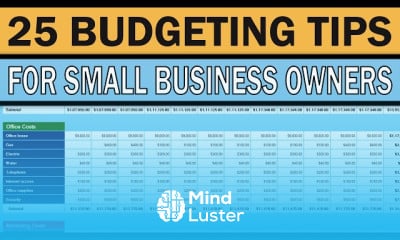
Budgeting is a process of looking at a business' estimated incomes (the money that comes into the business from selling products and services) and expenditures (the money that goes out form paying expenses and bills) over a specific period in the future.What are the 3 types of budgets? Depending on these estimates, budgets are classified into three categories-balanced budget, surplus budget and deficit budget.What is budgeting and why is it important? Budgeting creates a spending plan for your money and can help ensure there is always enough money to pay for food, bills, and other expenses. Having a budget is a good tool to avoid credit card debt and promotes saving. ... When we plan for emergencies, they do not become financially devastating.What is the meaning of budget and budgeting? Budgeting is the process of creating a plan to spend your money. This spending plan is called a budget. Creating this spending plan allows you to determine in advance whether you will have enough money to do the things you need to do or would like to do. Budgeting is simply balancing your expenses with your income.What is the 50 20 30 budget rule? Senator Elizabeth Warren popularized the so-called "50/20/30 budget rule" (sometimes labeled "50-30-20") in her book, All Your Worth: The Ultimate Lifetime Money Plan. The basic rule is to divide up after-tax income and allocate it to spend: 50% on needs, 30% on wants, and socking away 20% to savings.
 To Register in Course you have to watch at least 30 Second of any lesson
 Identify key components of effective budgeting for personal and business finance management
Apply the 50/20/30 budget rule to allocate income for needs, wants, and savings effectively
Differentiate between balanced, surplus, and deficit budgets to optimize financial planning
Develop comprehensive budgets to forecast income, expenses, and financial goals accurately
Implement strategies to prevent debt accumulation and promote savings through budgeting practices
Analyze the importance of budgeting in emergency preparedness and financial stability
Utilize budgeting tools and techniques to monitor and control spending habits
Evaluate the impact of budgeting on achieving long-term financial objectives and financial health
17 Lessons • 2 h 9 m total
 You must have an
Account
on the platform.
Complete all lessons.
Watch at least 50% of Lesson Duration.
Get your Certificate free 🎉 !
4.2
 (64 reviews)
Overall rating

Be the First One Review This Course
EXCELLENT

Good

Good

WOWWWWWWWWWWWWW
good

This course help in understanding the budgeting in very simple way.

wow
Best

Nice
Nice

Good

Nice

Budgeting is a process of looking at a business' estimated incomes (the money that comes into the business from selling products and services) and expenditures (the money that goes out form paying expenses and bills) over a specific period in the future.What are the 3 types of budgets? Depending on these estimates, budgets are classified into three categories-balanced budget, surplus budget and deficit budget.What is budgeting and why is it important? Budgeting creates a spending plan for your money and can help ensure there is always enough money to pay for food, bills, and other expenses. Having a budget is a good tool to avoid credit card debt and promotes saving. ... When we plan for emergencies, they do not become financially devastating.What is the meaning of budget and budgeting? Budgeting is the process of creating a plan to spend your money. This spending plan is called a budget. Creating this spending plan allows you to determine in advance whether you will have enough money to do the things you need to do or would like to do. Budgeting is simply balancing your expenses with your income.What is the 50 20 30 budget rule? Senator Elizabeth Warren popularized the so-called "50/20/30 budget rule" (sometimes labeled "50-30-20") in her book, All Your Worth: The Ultimate Lifetime Money Plan. The basic rule is to divide up after-tax income and allocate it to spend: 50% on needs, 30% on wants, and socking away 20% to savings.
Experience the full power of Mindluster with Premium.
No distractions, just pure education.
Cancel your subscription anytime