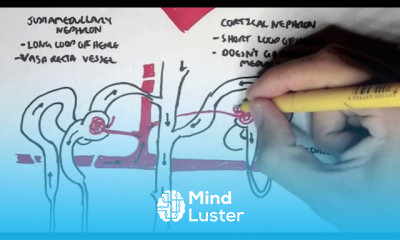
Hepatorenal Syndrome causes and mechanism Course

 (138 reviews)
-
 21 Lessons
-
 5 Students
- Certificate of completion


Hepatorenal Syndrome causes course, in this course we will explore the multifactorial causes contributing to hepatorenal syndrome (HRS), a serious complication of advanced liver disease. Delving into factors such as portal hypertension, renal vasoconstriction, systemic inflammation, and circulatory dysfunction, we aim to elucidate the pathophysiological mechanisms underlying the development of HRS. Understanding these causes is crucial for early recognition and intervention to improve outcomes for patients with liver disease at risk of HRS. Through comprehensive study, we seek to enhance awareness and management strategies for this life-threatening condition.
 To Register in Course you have to watch at least 30 Second of any lesson
What You'll Learn
-
 Identify key causes of hepatorenal syndrome in patients with liver disease and portal hypertension
-
Explain the role of renal vasoconstriction and circulatory dysfunction in HRS development
-
Analyze the impact of systemic inflammation on kidney function in hepatorenal syndrome
-
Describe the pathophysiological mechanisms linking portal hypertension to renal failure
-
Assess how liver cirrhosis contributes to the onset of hepatorenal syndrome
-
Evaluate the interplay between circulatory changes and renal vasoconstriction in HRS progression
-
Apply knowledge of HRS causes to improve early diagnosis and intervention strategies
-
Recognize clinical signs and risk factors associated with hepatorenal syndrome development
-
Differentiate between types of hepatorenal syndrome based on underlying causes and mechanisms
-
Implement management approaches targeting the multifactorial causes of hepatorenal syndrome
Course Content
21 Lessons • 4 h 33 m total

Nephrology Kidney and Nephron Overview
Nephrology Kidney Physiology Overview
Nephrology Glomerular Filtration
Nephrology Physiology Reabsorption and Secretion
Mechanisms of Renin Release
Physiology of Micturition
Acute Renal Failure
Acute Kidney Injury AKI prerenal intrarenal and postrenal causes and pathophysiology
Chronic Kidney Disease CKD Pathophysiology
Urinary Kidney Stones Overview signs and symptoms risk factors pathophysiology treatment
Nephrotic Syndrome Overview Sign and symptoms pathophysiology
Nephrotic Syndrome Types and pathology histology
Nephritic Syndrome classification pathophysiology treatment RPGN ANCA Immune complex
Hypertension Overview causes pathophysiology investigations treatment
Autosomal Dominant Polycystic Kidney Disease ADPKD causes pathophysiology diagnosis treatment
Cardiorenal Syndrome classification mechanism pathophysiology treatment
Hepatorenal Syndrome causes pathophysiology and mechanism
Familial Hypocalciuric Hypercalcemia other calcium sensing disorders pathophysiology treatment
Hyponatraemia Hyponatremia classification causes pathophysiology treatment
Hormones in body fluid homestasis ADH vasopressin Aldosterone and Natriuretic peptides
Overview of Fluid and Electrolyte Physiology Fluid Compartment
How to Get The Certificate
-
You must have an
Account
on the platform.
-
Complete all lessons.
-
Watch at least 50% of Lesson Duration.
-
Get your Certificate free 🎉 !
4.1
(138 reviews)
Overall rating

Reviews
Be the First One Review This Course
Related Courses
View All



Hepatorenal Syndrome causes and mechanism Course Description
Hepatorenal Syndrome causes course, in this course we will explore the multifactorial causes contributing to hepatorenal syndrome (HRS), a serious complication of advanced liver disease. Delving into factors such as portal hypertension, renal vasoconstriction, systemic inflammation, and circulatory dysfunction, we aim to elucidate the pathophysiological mechanisms underlying the development of HRS. Understanding these causes is crucial for early recognition and intervention to improve outcomes for patients with liver disease at risk of HRS. Through comprehensive study, we seek to enhance awareness and management strategies for this life-threatening condition.
Focus on Learning, Not Ads
Experience the full power of Mindluster with Premium.
No distractions, just pure education.
Cancel your subscription anytime
