Making human digestive system model 3d Course

 (117 reviews)
howtofunda
-
 18 Lessons
-
 11 Students
- Certificate of completion


Making human digestive system model 3d, in this course introduces students to one of the most essential systems in the human body through a creative, hands-on science project. In this course, learners will explore the structure and function of the digestive system, including key organs such as the mouth, esophagus, stomach, small intestine, large intestine, liver, and pancreas. Step-by-step guidance is provided on how to design and build a 3D working model using materials like cardboard, clay, colors, and pipes to represent the organs and pathways. The course explains how food is broken down, nutrients are absorbed, and waste is excreted, making the learning process both visual and interactive. Students will also learn the importance of each digestive organ and how they work together to maintain health. By the end, participants will gain a deeper understanding of human biology, improve their model-making skills, and create an impressive project suitable for classrooms, science fairs, or educational presentations. howtofunda
 To Register in Course you have to watch at least 30 Second of any lesson
What You'll Learn
-
 Create accurate 3D models of human digestive organs using materials like clay, cardboard, and pipes for educational purposes
-
Explain the structure and function of key digestive system organs such as the stomach, intestines, liver, and pancreas
-
Demonstrate the process of food digestion, nutrient absorption, and waste excretion through a visual, interactive model
-
Apply model-making skills to design and build functional, educational human digestive system projects for science fairs and classrooms
Course Content
18 Lessons • 1 h 33 m total

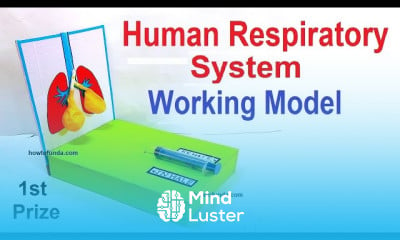
human respiratory system working model 3D for school science project lungs working howtofunda
human digestive system model 3d HUMAN ORGAN SYSTEMS DIY 3D SCIENCE EXHIBITION howtofunda
human digestive system working model 3d science project for science exhibition diy howtofunda
human digestive system working model for science fair project DIY at home howtofunda
human heart working model using sponge ball blood circulation model diy howtofunda
Human Body Internal Organs Model Making Using Cardboard craftpiller howtofunda
skin model 3d making using cardboard science project diy at home howtofunda still model
heart working model biology human simple using plastic bottle and balloon howtofunda
how to make heart working model inspire science project diy easy blood circulation howtofunda
working model of arm and muscles for science project for science exhibition easy diy howtofunda
human digestive working model science project exhibition with led lights easy diy howtofunda
human blood circulatory system working model heart lungs 3d science exhibition craftpiller
kidney working model 3d making using waste materials science fair urinary system howtofunda
human digestive working model making using waste materials at home easily DIY howtofunda
digestive system working model 3d science project for exhibition simple easy diy craftpiller
digestive system model 3d using cardboard for science exhibition project DIY howtofunda
digestive system working model making DIY inspire award science project howtofunda
respiratory system working model 3d LUNGS making using waste materials DIY howtofunda
How to Get The Certificate
-
You must have an
Account
on the platform.
-
Complete all lessons.
-
Watch at least 50% of Lesson Duration.
-
Get your Certificate free 🎉 !
4.7
(117 reviews)
Overall rating

Reviews
Be the First One Review This Course
Related Courses
View All








Making human digestive system model 3d Course Description
Making human digestive system model 3d, in this course introduces students to one of the most essential systems in the human body through a creative, hands-on science project. In this course, learners will explore the structure and function of the digestive system, including key organs such as the mouth, esophagus, stomach, small intestine, large intestine, liver, and pancreas. Step-by-step guidance is provided on how to design and build a 3D working model using materials like cardboard, clay, colors, and pipes to represent the organs and pathways. The course explains how food is broken down, nutrients are absorbed, and waste is excreted, making the learning process both visual and interactive. Students will also learn the importance of each digestive organ and how they work together to maintain health. By the end, participants will gain a deeper understanding of human biology, improve their model-making skills, and create an impressive project suitable for classrooms, science fairs, or educational presentations. howtofunda
Focus on Learning, Not Ads
Experience the full power of Mindluster with Premium.
No distractions, just pure education.
Cancel your subscription anytime
