
 28 Lessons
 64 Students



Scott
Good
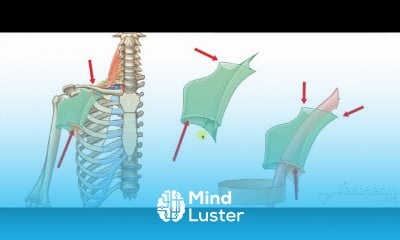
The axilla (also, armpit, underarm or oxter) is the area on the human body directly under the joint where the arm connects to the shoulder. It also contains many sweat glands. In humans, the formation of body odor happens mostly in the armpit. These odorant substances have been suggested by some to serve as pheromones, which play a role related to mating. However, this is a controversial topic within the scientific community. The underarm regions seem more important than the genital region for body odor, which may be related to human bipedalism. The lower posterior boundary is called the posterior axillary fold and this is a compound structure consisting of the latissimus dorsi and teres major muscles. It can descend after weight loss The anterior boundary is called the anterior axillary fold and this is rounded in shape and formed by the lower border of the pectoralis major. Some sources also include the pectoralis minor.[8] It can elongate after weight loss. The contents of the axilla include the axillary vein and artery, as well as the brachial plexus, lymph nodes and fat. The axilla is the space between the side of the thorax and the upper arm. There are three main routes by which structures leave the axilla. The main route of exit is immediately inferiorly and laterally, into the upper limb. The majority of contents of the axilla region leave by this method. Another pathway is via the quadrangular space. This is a gap in the posterior wall of the axilla, allowing access to the posterior arm and shoulder area. Structures passing through include the axillary nerve and posterior circumflex humeral artery (a branch of the axillary artery. The last passageway is the clavipectoral triangle, which is an opening in the anterior wall of the axilla. It is bounded by the pectoralis major, deltoid, and clavicle. The cephalic vein enters the axilla via this triangle, while the medial and lateral pectoral nerves leave.
 To Register in Course you have to watch at least 30 Second of any lesson
 Identify the anatomical boundaries and contents of the axilla, including muscles, vessels, and nerves
Describe the formation and significance of body odor in the axillary region and its relation to human bipedalism
Explain the pathways through which structures exit the axilla, including the quadrangular space and clavipectoral triangle
Illustrate the relationship between the axillary lymph nodes and immune function in the upper limb
Analyze the clinical relevance of axillary anatomy in surgeries, lymphatic drainage, and nerve blocks
Assess the impact of weight loss on the axillary structures, such as the posterior and anterior axillary folds
Differentiate between the main routes of neurovascular passage from the axilla to the upper limb
Apply knowledge of axillary anatomy to diagnose common conditions like axillary lymphadenopathy and nerve injuries
Evaluate the role of the axilla in thermoregulation and sweat gland function in humans
Utilize detailed anatomical understanding of the axilla for effective clinical interventions and surgical planning
28 Lessons • 2 h 15 m total
 You must have an
Account
on the platform.
Complete all lessons.
Watch at least 50% of Lesson Duration.
Get your Certificate free 🎉 !
4.3
 (4 reviews)
Overall rating

Be the First One Review This Course
Good

واقعاً عالی بود

It was fantastic.
very understandable

The axilla (also, armpit, underarm or oxter) is the area on the human body directly under the joint where the arm connects to the shoulder. It also contains many sweat glands. In humans, the formation of body odor happens mostly in the armpit. These odorant substances have been suggested by some to serve as pheromones, which play a role related to mating. However, this is a controversial topic within the scientific community. The underarm regions seem more important than the genital region for body odor, which may be related to human bipedalism. The lower posterior boundary is called the posterior axillary fold and this is a compound structure consisting of the latissimus dorsi and teres major muscles. It can descend after weight loss The anterior boundary is called the anterior axillary fold and this is rounded in shape and formed by the lower border of the pectoralis major. Some sources also include the pectoralis minor.[8] It can elongate after weight loss. The contents of the axilla include the axillary vein and artery, as well as the brachial plexus, lymph nodes and fat. The axilla is the space between the side of the thorax and the upper arm. There are three main routes by which structures leave the axilla. The main route of exit is immediately inferiorly and laterally, into the upper limb. The majority of contents of the axilla region leave by this method. Another pathway is via the quadrangular space. This is a gap in the posterior wall of the axilla, allowing access to the posterior arm and shoulder area. Structures passing through include the axillary nerve and posterior circumflex humeral artery (a branch of the axillary artery. The last passageway is the clavipectoral triangle, which is an opening in the anterior wall of the axilla. It is bounded by the pectoralis major, deltoid, and clavicle. The cephalic vein enters the axilla via this triangle, while the medial and lateral pectoral nerves leave.
Experience the full power of Mindluster with Premium.
No distractions, just pure education.
Cancel your subscription anytime