63 Lessons
 120 Students



Ahmed
Nice
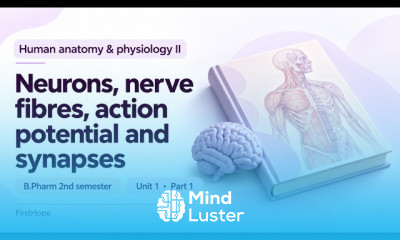
Symptoms of pinched nerve in the neck include: A sharp pain in the arm. Pain in the shoulder. A feeling of numbness or pins and needles in the arm. Weakness of the arm. Worsening pain when you move your neck or turn your head. What nerves are in your neck? C1, C2, and C3 (the first three cervical nerves) help control the head and neck, including movements forward, backward, and to the sides. The C2 dermatome handles sensation for the upper part of the head, and the C3 dermatome covers the side of the face and back of the head. What causes irritated neck nerves? Neck Nerves Cervical radiculopathy is often caused by "wear and tear" changes that occur in the spine as we age, such as arthritis. In younger people, it is most often caused by a sudden injury that results in a herniated disk. Can nerve damage in neck be repaired? Can it be cured? Although there are several very good nonsurgical and surgical treatment options available to relieve the symptoms of cervical myelopathy and radiculopathy, there is no cure, per se, for the degenerative changes in the cervical spine that caused the symptoms. What nerve goes from neck to head? Much of the feeling in the back and top of the head is transmitted to the brain by the two occipital nerves, which emerge from the spine in the upper neck and travel to the top of the head.
 To Register in Course you have to watch at least 30 Second of any lesson
 Identify the key nerves in the neck and their functions related to head and shoulder movement and sensation
Diagnose symptoms associated with pinched neck nerves, including pain, numbness, and weakness in the arm and shoulder
Explain common causes of irritated neck nerves, such as cervical radiculopathy, herniated disks, and age-related degeneration
Describe the anatomy and dermatome distribution of cervical nerves C1, C2, and C3 affecting head, face, and neck sensation
Assess the impact of nerve damage in the neck and evaluate available nonsurgical and surgical treatment options
Differentiate between degenerative cervical spine changes and acute injuries causing nerve irritation or compression
Recognize the role of occipital nerves in transmitting sensation from the back and top of the head to the brain
Apply practical knowledge to identify symptoms indicative of nerve impingement or injury in clinical or real-world settings
Utilize diagnostic approaches to determine the underlying causes of neck nerve symptoms and pain management strategies
Develop effective communication skills to explain nerve-related neck conditions and treatment plans to patients
Implement preventive measures and ergonomic practices to reduce the risk of neck nerve irritation and injury
Analyze the relationship between neck nerve anatomy and common neurological symptoms for accurate diagnosis
Evaluate the prognosis and potential for nerve recovery or management in cases of cervical nerve damage
Create patient education materials focusing on symptoms, causes, and treatment options for neck nerve conditions
63 Lessons • 5 h 0 m total

 You must have an
Account
on the platform.
Complete all lessons.
Watch at least 50% of Lesson Duration.
Get your Certificate free 🎉 !
4.0
 (8 reviews)
Overall rating

Be the First One Review This Course
Nice
very simple to understand
i happy、congratulation!
very good ,helpful course
great course
no English language and no translation. =(

Am dentist can I get benefits lessons related to me!

good

Symptoms of pinched nerve in the neck include: A sharp pain in the arm. Pain in the shoulder. A feeling of numbness or pins and needles in the arm. Weakness of the arm. Worsening pain when you move your neck or turn your head. What nerves are in your neck? C1, C2, and C3 (the first three cervical nerves) help control the head and neck, including movements forward, backward, and to the sides. The C2 dermatome handles sensation for the upper part of the head, and the C3 dermatome covers the side of the face and back of the head. What causes irritated neck nerves? Neck Nerves Cervical radiculopathy is often caused by "wear and tear" changes that occur in the spine as we age, such as arthritis. In younger people, it is most often caused by a sudden injury that results in a herniated disk. Can nerve damage in neck be repaired? Can it be cured? Although there are several very good nonsurgical and surgical treatment options available to relieve the symptoms of cervical myelopathy and radiculopathy, there is no cure, per se, for the degenerative changes in the cervical spine that caused the symptoms. What nerve goes from neck to head? Much of the feeling in the back and top of the head is transmitted to the brain by the two occipital nerves, which emerge from the spine in the upper neck and travel to the top of the head.
Experience the full power of Mindluster with Premium.
No distractions, just pure education.
Cancel your subscription anytime