Course Description
Digital signal Processing course,
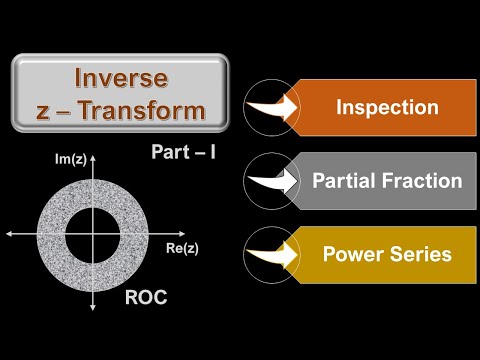
in this course offers a comprehensive journey into the core principles and practical applications of DSP. Designed for students and professionals, this course begins with foundational concepts, explaining how real-world analog signals are transformed into digital form for processing. You'll learn about key techniques, including Fourier Transform for frequency analysis, digital filtering for signal improvement, and sampling theory, which underpins the digital representation of signals. The course also dives into applications of DSP across various fields, such as audio and speech processing, image enhancement, biomedical signal analysis, and communications. Hands-on exercises with tools like MATLAB enable you to implement and test DSP algorithms, helping you build an intuitive understanding of digital filtering, spectral analysis, and system modeling. By the end of the course, you’ll have a solid grasp of DSP concepts and practical experience applying them, equipping you with skills to enhance data quality, design efficient digital systems, and solve complex signal processing challenges in real time.