Course Description
Phrasal verbs practice in english course,
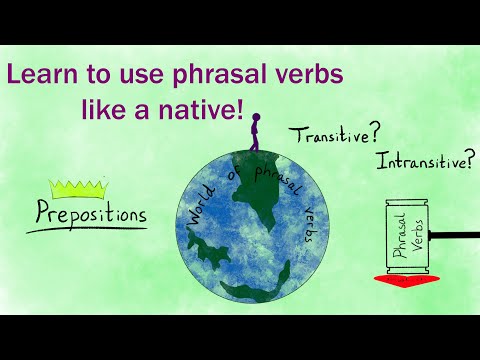
in this course we will learn about the phrasal verbs practice in English. Phrasal verbs are combinations of verbs with prepositions or adverbs that create new meanings different from the original verb. Mastering phrasal verbs is essential for achieving fluency in English, as they are commonly used in everyday conversations and writing.
Course Overview:
Introduction to Phrasal Verbs: Understanding what phrasal verbs are and how they function in sentences. We will start with basic phrasal verbs and their meanings.
Example: "give up" (to quit), "take off" (to depart).
Common Phrasal Verbs: Learning the most frequently used phrasal verbs in English and practicing them in various contexts.
Example: "look forward to" (to anticipate), "run into" (to meet unexpectedly).
Contextual Practice: Applying phrasal verbs in real-life scenarios through interactive exercises and dialogues to enhance comprehension and usage.
Example: Using phrasal verbs in conversations about travel, work, and daily activities.
Grammar and Structure: Analyzing the grammatical structure of phrasal verbs and understanding their different forms, such as separable and inseparable phrasal verbs.
Example: "turn on the light" vs. "turn the light on" (separable), "look after" (inseparable).
Advanced Phrasal Verbs: Exploring more complex phrasal verbs and their nuanced meanings to expand your vocabulary.
Example: "bring up" (to raise a topic), "cut down on" (to reduce).
Common Mistakes and Tips: Identifying common mistakes learners make with phrasal verbs and providing strategies to avoid them.
Example: Incorrect: "He gave up to smoke." Correct: "He gave up smoking."
Interactive Activities: Engaging in quizzes, role-plays, and group discussions to practice and reinforce the use of phrasal verbs in a fun and interactive way.