Course Description
Three Phase Power systems course,
in this course you'll gain an in-depth understanding of three-phase electrical power, its advantages, and its applications in industrial and commercial settings. Starting with fundamental concepts, the course explains how three-phase power differs from single-phase systems, offering more efficient energy transmission and stable power flow, making it ideal for heavy-duty equipment. You’ll learn about the structure of a three-phase system, including star and delta configurations, voltage levels, and the importance of phase sequence in power distribution.
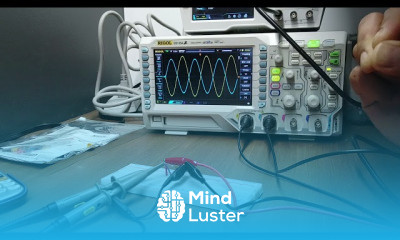
The course also covers essential calculations, such as line and phase voltage, power factor, and load balancing, helping you analyze and optimize three-phase systems effectively. Hands-on lessons will guide you through connecting and testing three-phase circuits, using tools like multimeters and oscilloscopes to measure voltage and current. Safety practices are emphasized throughout, ensuring you understand how to handle high-voltage systems safely.
Additionally, you'll learn about troubleshooting common issues in three-phase systems, such as phase imbalance and harmonic distortion. By the end of the course, you’ll be equipped to design, implement, and maintain three-phase systems confidently, making this course ideal for engineers, electricians, and anyone interested in industrial power systems.