Course Description
Microscopy types,
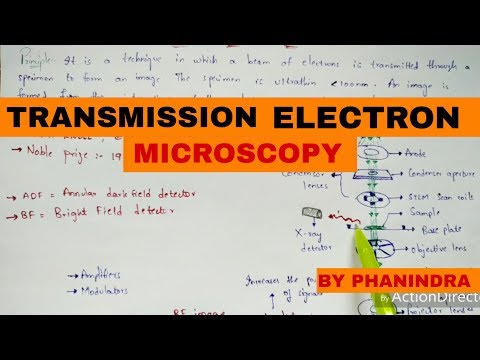
in this course explore the diverse world of microscopes used to visualize structures invisible to the naked eye. In this course, we will learn about the different types of microscopy techniques, including bright field, dark field, phase contrast, fluorescence, and confocal microscopy, as well as powerful electron microscopy methods like TEM and SEM. We’ll also cover atomic force and scanning tunneling microscopy used in nanotechnology. Each type will be explained with its working principle, advantages, limitations, and practical applications in biology, medicine, and materials science. From examining simple cells to imaging atoms, this course provides a comprehensive understanding of how microscopy helps us unlock the mysteries of the microscopic world. Whether you're a student, researcher, or science enthusiast, this course will sharpen your knowledge and visual analysis skills. Let’s begin our journey into the hidden world of microscopy. Bio science